Importing From the United States
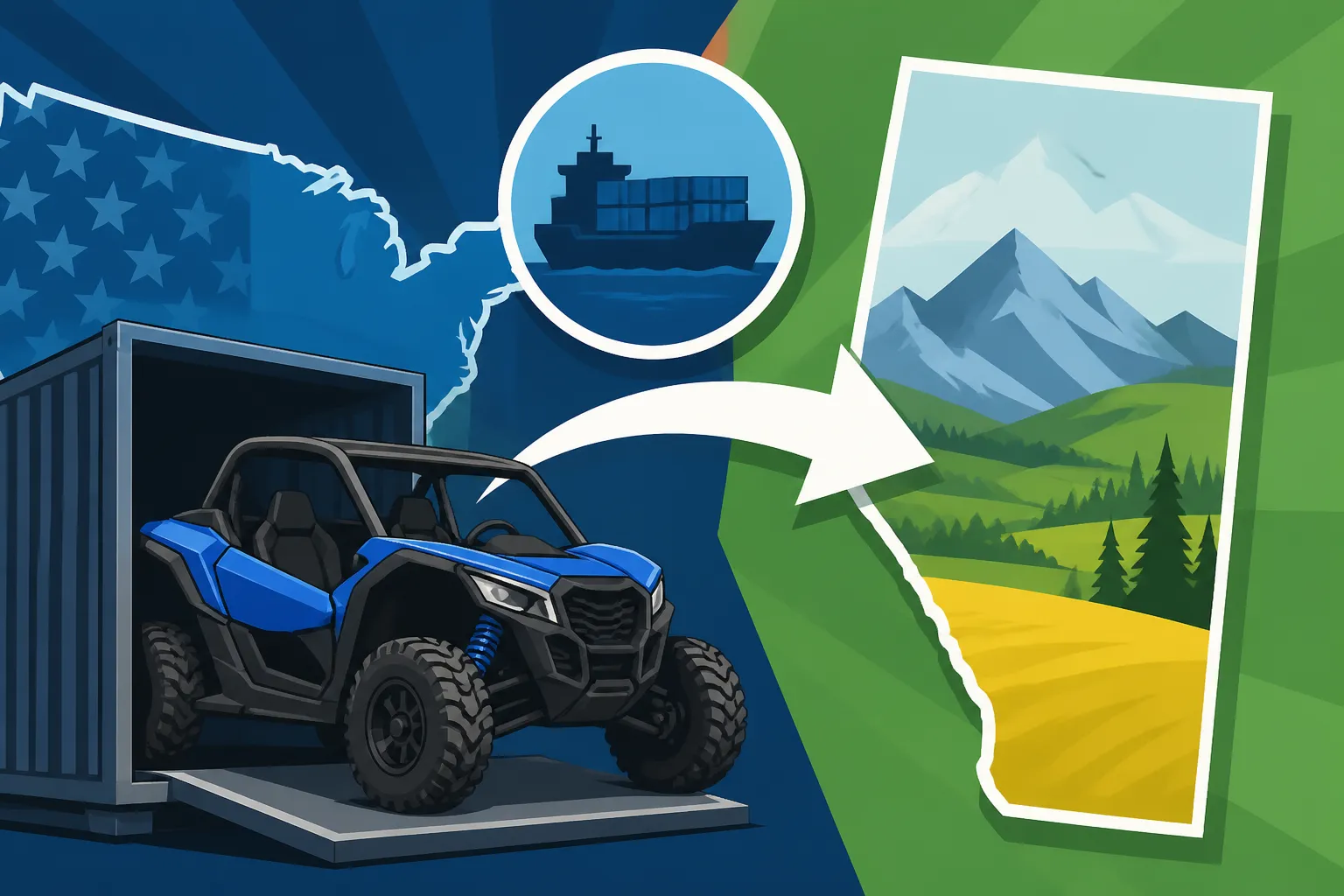
Oh, the allure of a great deal across the border! Many an Albertan rider has gazed longingly at a US listing for an ATV or UTV, dreaming of significant savings or a machine model not readily available here. It's a tempting thought, especially with the fluctuating exchange rate sometimes seeming to be in our favour. However, the path from "seen it, want it" to "riding it legally in Alberta" is rarely as simple as a quick drive and a handshake. This guide is here to untangle the often-confusing web of paperwork, customs, and provincial requirements involved in importing an off-highway vehicle (OHV) from the United States, helping you navigate the process without costly surprises.
The Initial Hurdles: Why Importing Isn't Just a Road Trip
It's easy to get swept up in the excitement of a potential deal, whether it's the specific make and model you've always wanted or the promise of a lower price tag south of the border. Many people assume that if a machine can be bought and sold in the US, it can simply be driven or trailered across the border into Alberta without much fuss. This misconception is a common source of frustration, leading to unexpected delays, fees, or even the outright refusal of entry for a vehicle. Before you even start browsing listings, it’s crucial to understand that importing an OHV is a multi-layered process involving both federal and provincial regulations.
Understanding the "Why": Beyond Just a Good Deal
The primary draw for many is often a perceived price advantage. Exchange rates, sales tax differences (or lack thereof, since Alberta doesn't have a provincial sales tax like many US states), and the sheer volume of used machines available in the US market can make American prices look incredibly attractive. You might also be eyeing a specific limited-edition model, an older classic, or a machine with unique aftermarket modifications that are hard to find locally. These are all valid reasons to consider importing, and they fuel the dream of a successful cross-border purchase.
However, the reality is that the process is significantly more complex than buying a machine within Canada. You're not just dealing with a seller; you're dealing with two national governments, each with their own set of rules for vehicle export and import. Ignoring these complexities can quickly erase any financial savings or turn your dream machine into a bureaucratic nightmare sitting idle in your yard. The "why" for importing needs to be strong enough to justify the extra legwork involved.
Research, Research, Research: Before You Even Look at Machines
Before you get serious about a specific ATV or UTV, your first step should be to thoroughly research its admissibility into Canada. Not every vehicle sold in the United States is eligible for import. Transport Canada and the Registrar of Imported Vehicles (RIV) program have specific requirements, primarily focused on safety standards. The RIV program ensures that vehicles imported from the US meet Canadian safety standards, which can differ from those in the States. You’ll need to confirm that the particular year, make, and model of the OHV you're interested in is on Transport Canada's list of admissible vehicles. Some vehicles are simply not allowed, while others may require specific modifications to meet Canadian standards.
It’s also wise to check for any outstanding recalls on the machine. While recalls for safety issues are important for any vehicle purchase, they become particularly critical for imports. An OHV with an unresolved safety recall might face issues during the RIV inspection process, requiring you to address the recall before it can be certified. Furthermore, be wary of heavily modified machines. While a custom exhaust might sound cool, certain modifications, especially those affecting emissions or safety systems, could prevent the vehicle from passing Canadian import inspections. Ensure the machine is as close to its original factory specifications as possible, or be prepared for the costs and effort of restoring it to compliance.
Navigating the Paperwork Maze: From Purchase to Border Crossing
This is where many aspiring importers hit their first major roadblock. It's not enough to simply have cash in hand and a truck and trailer ready. The specific documentation you gather from the seller and the steps you take with US Customs are paramount to a smooth import process. Missing a single piece of paper or skipping a crucial step can result in significant delays, administrative headaches, and even impoundment of your vehicle at the border.
The Purchase Process in the US: What You Need to Get
When you’re buying an ATV or UTV in the United States, whether from a private seller or a dealership, the paperwork is your lifeline. The most critical document is a comprehensive Bill of Sale. This isn't just a scribble on a napkin; it needs to be an official document detailing the buyer's name, seller's name, purchase price, date of sale, and the complete Vehicle Identification Number (VIN) of the machine. The VIN is like your OHV's fingerprint, essential for all official processes. Some sellers might use generic templates, but ensure all necessary information is present. If you're looking for a reliable, customizable template for a bill of sale, resources like LawDepot can provide professional legal documents that cover all the bases, ensuring you have clear proof of ownership.
Equally vital is the Certificate of Origin (for new machines) or the Title (for used machines). The Certificate of Origin proves that the vehicle is new and has never been registered before. For used machines, the Title is the official record of ownership. It proves the seller legally owns the OHV and has the right to sell it to you. Never purchase an OHV without either of these documents. A seller who can't produce a clean title or certificate of origin might be trying to sell a stolen vehicle or one with outstanding liens. Before finalizing any purchase, always perform a VIN check through a reputable service to ensure the machine isn't stolen, hasn't been salvaged, and doesn't have any undisclosed liens against it. This simple step can save you immense heartache and financial loss down the road.
Exporting from the US: The 72-Hour Rule and Customs Forms
This is arguably the most overlooked and critical step for many Canadians. The United States Customs and Border Protection (CBP) requires you to formally export the vehicle from the US before you attempt to import it into Canada. The "72-hour rule" is key here: you must present the vehicle's original title or certificate of origin, along with the bill of sale, to US Customs at your chosen border crossing at least 72 hours before your planned export time. This allows them to verify the documents, check for any export restrictions, and ensure the vehicle is clear to leave the country.
You'll typically go to the US Customs office at the port of exit you intend to use. They will review your documents, stamp them, and officially process the export. You might also need to complete a Form HS-7 if you're the exporter, declaring that the vehicle meets US EPA emissions standards (even though you're exporting it, it's part of their process). Failure to adhere to the 72-hour rule can lead to significant delays, potentially turning you back at the border and forcing you to restart the export process, often from scratch. Imagine arriving at the border with your new ATV, excited to head home, only to be told you can't even leave the US side because you didn't pre-clear the export. It's a frustrating but entirely avoidable situation if you plan ahead.
Importing into Canada: RIV, Customs, and Taxes
Once you've successfully navigated the US export process, you arrive at the Canadian border, where the Canada Border Services Agency (CBSA) takes over. This is where you formally import the OHV into Canada. First and foremost, you'll need all the documentation you gathered on the US side: the original bill of sale, the original title/certificate of origin (now stamped by US Customs), and your personal identification.
Most OHVs imported from the US are subject to the Registrar of Imported Vehicles (RIV) program. The RIV program is designed to ensure that imported vehicles meet Canada's safety standards. When you declare your OHV at the border, the CBSA officer will initiate the RIV process. You'll pay an RIV fee at the border, which covers the cost of administering the program and the subsequent inspection. They will provide you with an RIV inspection form, which you'll need for a certified inspection after you get the machine home. It's crucial to understand that paying the RIV fee at the border is just the first step; the actual inspection happens later.
In addition to the RIV fee, you will also pay the Goods and Services Tax (GST) on the declared value of the vehicle (or the assessed value, if CBSA deems your declared value too low). The GST is applied to the purchase price, converted to Canadian dollars. Unlike other provinces, Alberta does not have a Provincial Sales Tax (PST) on top of the GST, which can be a small relief compared to importing into provinces like BC or Saskatchewan. Depending on the origin of the OHV's manufacture and various trade agreements like the USMCA (formerly NAFTA), there might also be duties owing. However, most vehicles manufactured in North America are duty-free. Be prepared for these costs, as they add significantly to the overall price of your imported machine.
Getting Your Imported Machine Alberta-Ready
So, you've successfully brought your OHV across the border, paid your taxes, and started the RIV process. Congratulations! But you're not quite ready for the trails yet. There are still a few crucial steps to complete before your imported machine can be legally registered and ridden in Alberta. This final phase involves federal inspections and provincial registration requirements, all designed to ensure your vehicle is safe and properly documented.
The RIV Inspection and Federal Standards
After crossing the border and initiating the RIV program, you'll have a set period (usually 45 days) to complete the RIV inspection. The CBSA will have given you a form for this. You'll need to take your imported OHV to a designated inspection centre, typically a Canadian Tire location, that is authorized to perform RIV inspections. The inspector will check to ensure the vehicle meets specific Canadian safety standards. While ATVs and UTVs have fewer "on-road" requirements than cars, they still must meet federal safety regulations.
Common inspection points for OHVs might include checking for proper lighting (headlights, tail lights), confirming the presence and proper function of a spark arrestor (a federal requirement for OHVs operating in many areas), and verifying that the exhaust system hasn't been excessively modified to be overly loud. If the vehicle fails the inspection, you'll be given a list of deficiencies that need to be corrected. You'll then need to make the necessary repairs or modifications and return for a re-inspection. Only once the OHV passes the RIV inspection will you receive the crucial "Canadian Compliance Label" or a similar form, which signifies it meets federal standards. Without this, you cannot register the machine in Alberta.
Alberta Registration: The Final Step for the Trail
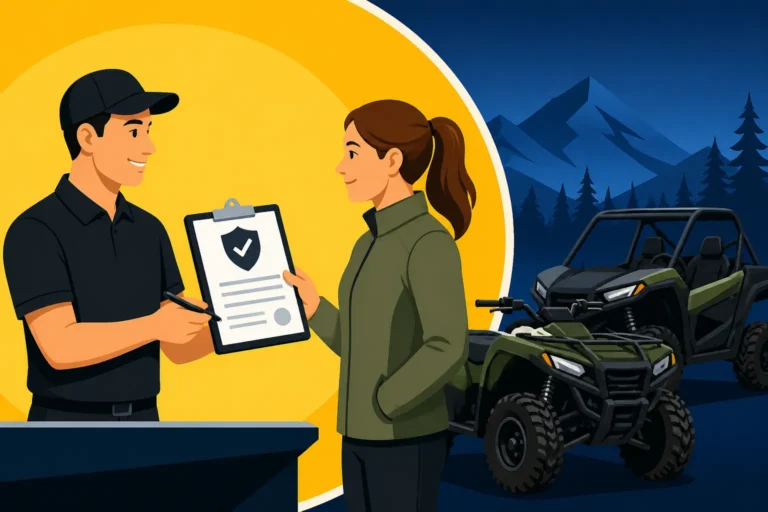
With your RIV compliance complete and your Canadian Compliance Label in hand, you’re now ready for the final, provincial step: registering your imported OHV in Alberta. This is done at any authorized [Alberta Registry Agents and OHV Paperwork]. You cannot legally operate your OHV on public land in Alberta until it is properly registered and plated. This applies even if you've already paid all the federal taxes and fees.
When you head to the registry agent, you'll need to bring a specific set of documents. This typically includes the original bill of sale, the original US title or certificate of origin (now stamped by US Customs), the RIV inspection form or Canadian Compliance Label, and your personal identification (such as an Alberta driver's license). The agent will process your paperwork, verify the VIN, and issue you an Alberta OHV plate and a registration certificate. It’s a good idea to bring all your paperwork from the entire import process, including receipts for GST and RIV fees, just in case. You can find a comprehensive [Alberta Registration Paperwork Checklist] to ensure you don't miss anything. Remember, [Alberta Registration Before Your First Ride] is not just a suggestion, it's the law.
Insurance: Don't Hit the Trails Without It
Getting your OHV registered is one thing, but getting it insured is another non-negotiable step before you hit Alberta's incredible network of trails or even ride in a ditch. [Alberta Requires Insurance on Public Land] for all off-highway vehicles. This includes ATVs, UTVs, dirt bikes, and snowmobiles. You'll need to contact an insurance provider to obtain a policy. They will require the OHV's VIN, make, model, and year. The fact that it's an imported machine generally doesn't complicate the insurance process, as long as it has a valid VIN and all your ownership documents are in order.
Don't assume your existing vehicle insurance policy covers your new OHV. Off-highway vehicle insurance is a separate policy. While it's an added cost, the peace of mind and legal compliance it provides are invaluable. Riding an unregistered or uninsured OHV on public land in Alberta carries significant penalties, including fines and the potential for [Alberta Vehicle Seizure for No Insurance]. Make sure you have your proof of insurance and your registration certificate with you whenever you ride, as law enforcement officers can request to see them at any time.
Key Documentation & Steps for Importing an OHV
Here’s a quick overview of the main documents and steps involved, breaking down where they fit in the process:
| Stage | Key Action | Required Documents/Information | Notes
This article is for general informational purposes only and does not constitute professional advice. Laws, prices and regulations vary by location and change over time. Consult a qualified professional for guidance on your specific situation.