Serial Numbers and Where to Look
Let's be honest, few things are more frustrating than being ready to register your shiny new-to-you ATV or side-by-side, only to realize you have no idea where the heck to find the VIN or serial number. Or perhaps you're selling a machine, and a savvy buyer asks for it, and you're left scratching your head. This guide is here to cut through that confusion, walking you through the exact spots to locate those crucial identification numbers on your off-highway vehicle (OHV) in Alberta, why they're so vital for everything from registration to avoiding scams, and what to do if you hit a snag.
Why Serial Numbers (VINs) Are So Important for Alberta OHVs
Think of your OHV's Vehicle Identification Number (VIN) as its unique fingerprint. It's not just some random string of characters; it's a globally recognized code that provides a wealth of information about your machine and, more importantly, establishes its identity. Without it, you're essentially dealing with a ghost, and the Alberta registry system, along with law enforcement, isn't keen on ghosts.
The Backbone of Ownership and Registration
When you walk into a registry agent in Alberta to register your ATV or side-by-side, the VIN is the very first piece of information they'll ask for. It's how your machine gets linked to you, the legal owner, in the provincial database. Without a clear, legible VIN, you simply cannot complete the registration process. This is true whether you're registering a brand-new machine or transferring ownership of a used one. Imagine the stress of buying an awesome quad, only to find you can't get it plated and legally ride it on public land because the VIN is a mystery! This number is foundational for everything from issuing your plate to updating ownership records. It's a key item on any [Alberta Registration Paperwork Checklist] and something every [Alberta Registry Agents and OHV Paperwork] handler will scrutinize. If you ever want to sell that machine down the line, the new owner will face the same hurdles if the VIN isn't properly recorded and transferred.
Crucial for Theft Prevention and Recovery
Beyond registration, the VIN plays an absolutely critical role in protecting your investment from theft and aiding in its recovery if it ever does go missing. Every legitimate OHV has a VIN, and this number is recorded by manufacturers and, when registered, by the province. If a machine is stolen and later recovered, the VIN is the primary tool law enforcement uses to identify the rightful owner. This is precisely why it's so important to [Checking a Serial Number for Theft Before You Pay] when buying a used machine. A diligent buyer will always ask for the VIN upfront to run a check for reported theft. Buying a machine with an altered or missing VIN, even unknowingly, can lead to serious legal headaches, potential seizure of the vehicle without compensation, and the emotional pain of realizing you've been caught up in someone else's crime.
Verifying Machine History and Specifications
The VIN isn't just about legality; it's also a trove of information about the machine itself. The characters within the VIN code represent specific details about the vehicle, such as the country of origin, manufacturer, make, model year, and even certain features. For example, specific digits might tell you it's a 2018 Polaris RZR XP 1000, or a 2020 Honda Rubicon 520. This information is invaluable when you're looking to purchase a used OHV, helping you verify that the seller's description matches the actual machine. It's also incredibly useful if you need to order specific parts, as knowing the exact model year and specifications prevents costly ordering mistakes. A clear VIN can also help substantiate claims about the machine's originality and components, providing transparency that gives both buyers and sellers peace of mind. Without it, you might be guessing at the true age or model, which can impact everything from insurance rates to resale value. This is where a document like a [What a Manufacturer's Statement of Origin Proves] often accompanies new machines, detailing the VIN and other key identifying factors.
Where to Physically Locate Your ATV or UTV's VIN
Finding the VIN on an OHV isn't always as straightforward as checking the dashboard of a car. These machines are often exposed to dirt, mud, and the elements, which can obscure or damage the stamped numbers. However, manufacturers typically place them in specific, somewhat protected, but accessible locations. You might need a flashlight, a rag, and a bit of patience to uncover it.
Common Locations on ATVs (Quads)
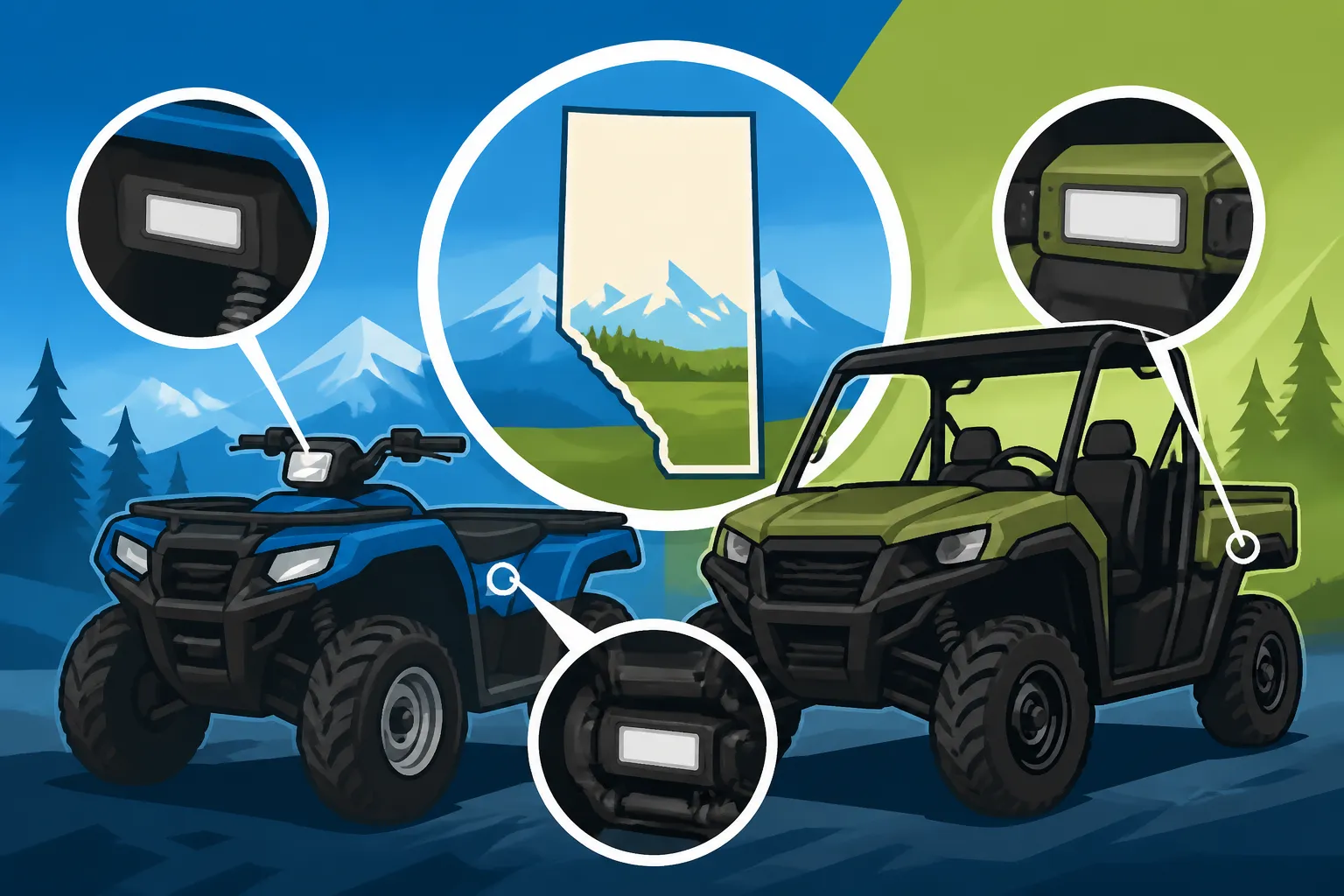
For most ATVs, or quads as we often call them, the VIN is usually stamped directly into the metal frame. The most common spot to begin your search is near the front left wheel, often on a frame rail accessible from the front or side. You might need to turn the handlebars to the right to get a clear view. Another popular spot is under the seat; lift the seat, and look along the top frame rails, sometimes near the fuel tank or battery. Don't be surprised if it's covered in grime – a quick wipe with a damp cloth can reveal the numbers. Sometimes, it's located on the frame rail right behind the left front wheel, often where your footrest or footpeg would be. Manufacturers want it visible but also somewhat protected from direct impacts. Imagine you're at a seller's rural property, checking out an older Yamaha Grizzly that's seen a few seasons. You'd typically start by crouching down near the left front tire, sweeping away some dust and dried mud, and carefully running your fingers along the frame to feel for the raised or indented numbers. Always ensure you get the full 17-digit VIN.
Common Locations on UTVs (Side-by-Sides)
Side-by-sides, with their more car-like chassis, often have their VINs in slightly different, but still consistent, places. A very common location is on the frame under the driver's seat. You might need to unlatch and lift the seat base to get a good look. Another frequent spot is on the front frame cross-member, often visible by looking down between the front tires and the firewall, sometimes tucked away near the lower control arm mounts. Some manufacturers also place a VIN plate or sticker on the firewall inside the cab, near the driver's feet or under the dashboard. Just like with ATVs, these locations are chosen for durability and accessibility. If you're checking out a used side-by-side that's seen some serious trail time, like a Can-Am Maverick X3, be prepared for some mud and dirt. You'll want to bring a good light and potentially something to gently clear away any debris to ensure you can read all the digits. Always double-check any stickers against stamped numbers, as stamped numbers are more reliable. For more on this, you might find Serial Numbers and Where to Look helpful.
Manufacturer Labels and Plates
While the primary, legal VIN is almost always stamped directly into the frame, many manufacturers also affix secondary labels or plates. These might be metal plates riveted to the frame, or durable stickers placed in the engine bay, on a door jamb (for side-by-sides), or under the hood. These labels often contain the VIN, model information, and sometimes tire pressure or safety warnings. It's always a good idea to check these labels as well, primarily to cross-reference with the frame-stamped VIN. However, it's crucial to prioritize the frame-stamped number above all else. Stickers can be peeled off or replaced, and riveted plates can be removed. A number stamped directly into the metal of the frame is much harder to tamper with or alter without leaving obvious signs. If you find a discrepancy between a sticker and a frame stamp, that's a major red flag that warrants further investigation.
What to Do If a VIN is Missing, Damaged, or Suspicious
This is where things can get a little tricky, and it's important to approach these situations with caution, especially if you're the one looking to buy. A missing or compromised VIN isn't just an inconvenience; it can be a sign of a much bigger problem.
Red Flags and How to Proceed Cautiously
Let's not mince words: an OHV with a missing, obviously altered, or unreadable VIN is a giant red flag that often signals a stolen machine. If you're trying to purchase an OHV and the seller can't produce a clear VIN, or if the numbers appear to have been ground off, restamped, or otherwise tampered with, your safest bet is to walk away, no matter how good the deal seems. The consequences of unknowingly buying a stolen vehicle are severe; you could lose the machine without compensation, face legal charges, and deal with endless headaches. In Alberta, if a police officer or Fish & Wildlife officer encounters a machine with a suspicious VIN, they have every right to seize it for investigation. Even if the machine isn't stolen, a registry agent simply won't be able to process registration without a verifiable VIN, leaving you with an unregistered machine that cannot legally be ridden on public land. This often falls under the category of [Alberta Machines With No Paperwork], a situation you absolutely want to avoid.
Dealing with Legitimate Damage or Wear
Sometimes, a VIN isn't missing due to foul play, but simply due to age, corrosion, or extensive use. On older machines that have seen many years of mud, water, and trail grime, the stamped numbers can become faint, corroded, or obscured. If you encounter this, try to gently clean the area with a wire brush or a penetrating oil and a rag. Take clear, well-lit photographs from multiple angles. If, after cleaning, the VIN is still partially unreadable but appears legitimately worn, not tampered with, you might be able to work with a registry agent. They may require a peace officer or an authorized inspector to verify the VIN's legitimacy and provide documentation before registration can proceed. This is a rare and often complex process, and it's best to consult directly with your local Alberta registry agent for guidance. In some extreme, legitimate cases, a vehicle may be assigned a new VIN, but this is an absolute last resort and involves significant paperwork and inspection. This scenario is specifically addressed if you search for [Alberta Registration When the VIN Is Gone].
The Role of a Bill of Sale and Due Diligence
Even when you've found a clear, legitimate VIN, your due diligence isn't over. A comprehensive bill of sale is your proof of purchase and a crucial document for transferring ownership. This document, whether it's a simple handwritten note between neighbours or a professional template from a service like LawDepot, must include the full 17-digit VIN of the machine. This is non-negotiable. When buying, always compare the VIN on the machine itself to the VIN listed on the bill of sale and, if available, any previous registration documents. Any discrepancies, even a single digit, are cause for concern. A well-crafted bill of sale also includes seller and buyer information, the sale price, and the date of sale, protecting both parties. Services like LawDepot can provide robust templates for a private sale, ensuring all necessary fields, including the all-important VIN, are properly captured. This process is especially important for something like [What a Private Quad Sale Between Neighbours Needs].
Beyond the VIN: Other Important Identification Numbers
While the VIN is king for registration and legal ownership, it's not the only identification number you might encounter on your OHV. Understanding these other numbers can be helpful for various reasons, even if they don't carry the same weight as the VIN for provincial registration.
Engine Serial Numbers
Most ATV and UTV engines also come with their own unique serial number. This number is separate from the vehicle's VIN and typically identifies the specific engine unit. You'll usually find the engine serial number stamped directly into the engine block itself, often near the crankcase or on a dedicated data plate. Its primary purpose is for manufacturers and mechanics to identify specific engine components, track warranty claims, or order correct replacement parts. While an engine serial number can be a useful piece of information for maintenance or repairs, it generally isn't required for provincial registration in Alberta. However, it's a good number to know and record, especially if you're dealing with a used machine where the engine might have been swapped, or if you ever need to troubleshoot engine-specific issues.
Component Serial Numbers
Beyond the engine, other major components on your OHV might also bear their own serial numbers. This could include the transmission, differential, or even major accessory components. These numbers are primarily for the component manufacturer's tracking purposes, aiding in quality control, warranty, and part identification. For the average OHV owner, these numbers have little direct relevance for legal ownership or registration. Their utility typically comes into play only if you're replacing a major component and need to ensure you're getting the exact right part, or if you're tracking down a manufacturing defect for a specific part. It's rare to need these numbers unless you're deep into a complex repair or rebuild.
How to Record and Keep Track of Your Numbers
Given the importance of these numbers, especially the VIN, it's an excellent practice to keep meticulous records. As soon as you acquire an OHV, take clear photographs of the VIN stamped on the frame, any VIN labels, and the engine serial number. Store these photos digitally and consider printing them out to keep with your physical registration and insurance documents. You should also write down the full VIN in a safe place, such as in your owner's manual or a dedicated personal file. This way, if anything happens to your machine, or if the numbers become unreadable over time, you have an accurate record. When creating a bill of sale, or any other important document related to your machine's ownership, ensure these numbers are accurately transcribed. Using a professional template, like those found at LawDepot, can ensure that all critical identifying information is captured in your sales agreements, providing an extra layer of security and clarity for future reference. This step is as important as [Photographing a VIN for Your Records]. Having all your ducks in a row with these numbers can save you immense stress and potential financial loss down the road.
| Identification Number | Primary Purpose | Common Location | Required for Alberta OHV Registration |
|---|---|---|---|
| VIN | Legal ID, ownership, theft, history | Stamped on frame (front left, under seat for ATVs; under driver's seat, firewall for UTVs) | Yes (Crucial) |
| Engine Serial Number | Engine ID, parts, warranty | Stamped on engine block | No |
| Component Serial Number | Part ID, manufacturing tracking | On specific components (transmission, diff) | No |
Disclaimer
This article is for general informational purposes only and does not constitute professional advice. Laws, prices and regulations vary by location and change over time. Consult a qualified professional for guidance on your specific situation.