Registering Your OHV for One Year or Two
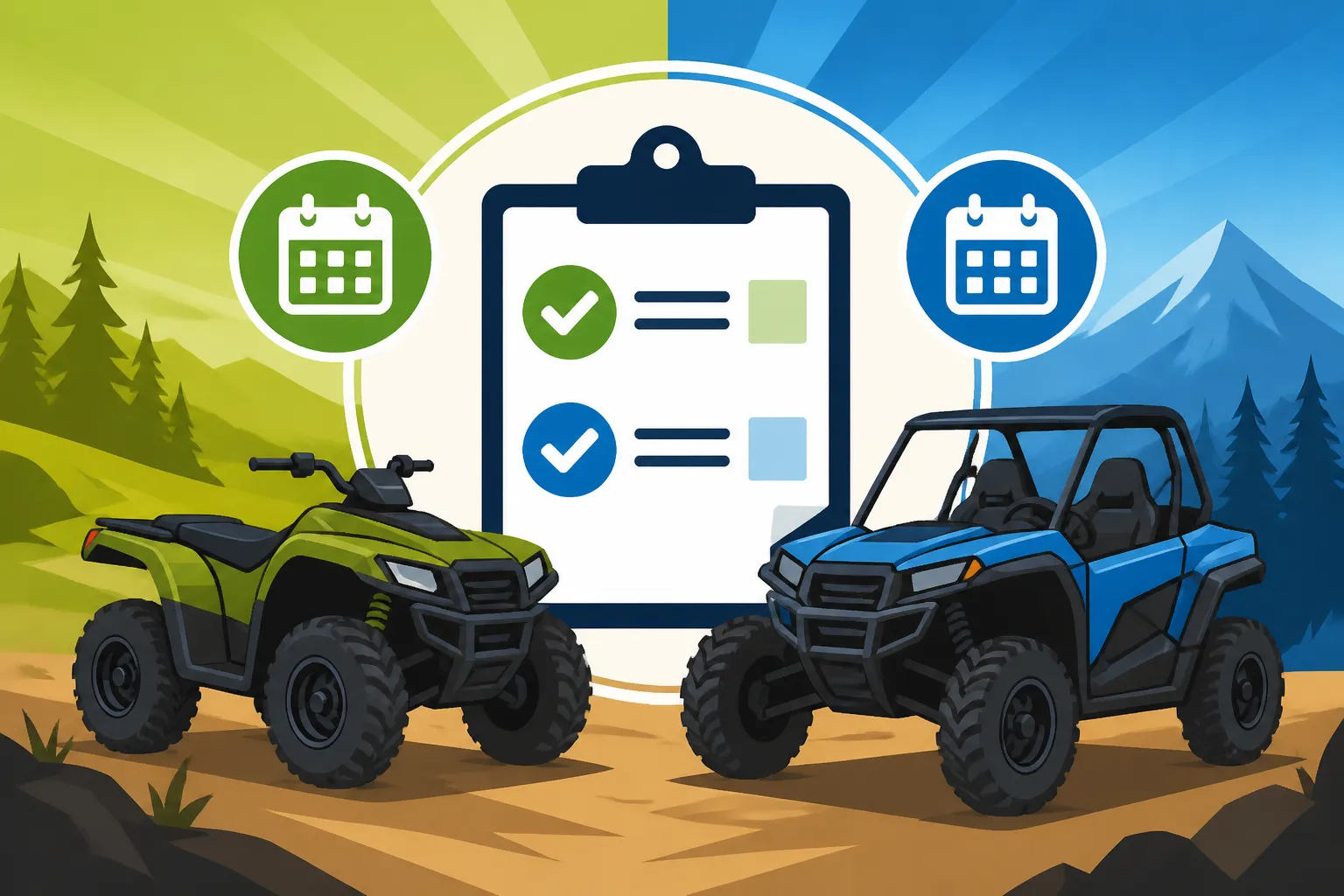
When you're looking to get your off-highway vehicle (OHV) registered in Alberta, whether it's a quad, dirt bike, or side-by-side, one of the first decisions you'll face is whether to register it for one year or two. This choice can feel like a small detail, but it actually carries implications for your wallet, your time, and your peace of mind. This guide will walk you through the nuances of each option, helping you decide which registration term makes the most sense for your riding habits and ownership plans.
Deciphering Your Alberta OHV Registration Options
Navigating the world of OHV registration can sometimes feel like trying to find a specific trail through dense bush – you know there's a path, but figuring out the best one isn't always obvious. In Alberta, you're generally given two main choices when it comes to how long you want your OHV registration to last: one year or two years. It's not a trick question, but each option serves different needs and comes with its own set of considerations. Understanding these from the outset can save you headaches down the line.
The Standard One-Year Term
For many OHV owners in Alberta, the one-year registration term is the go-to default. When you first register a brand-new machine, or perhaps one you’ve just purchased privately, the system often steers you towards a single year of coverage. This is a straightforward, no-frills approach that gets your plate and certificate in hand without much fuss. You pay for twelve months, and then, as the expiry date looms, you prepare to renew it.
This annual cycle means you’ll get a yearly reminder to take care of your registration. For some, this can be a blessing, acting as a regular prompt to ensure all your paperwork is up to date and your machine is street-legal for public land use. It's a bit like getting a yearly check-up for your OHV's legal status, ensuring you don't inadvertently ride unregistered. If your plans for the machine are a bit fluid, or you're new to the world of OHV ownership and aren't sure how long you'll keep it, a one-year term offers maximum flexibility.
Whether it's your very first time getting a plate or you're simply renewing an existing one, the process for a one-year term is well-established at any [Alberta Registry Agents and OHV Paperwork] office. You provide your documents, confirm your details, pay the required fees, and you're good to go for another 365 days. It's predictable, manageable, and doesn't require a long-term commitment.
The Convenient Two-Year Term
On the flip side, Alberta also offers the option to register your OHV for a two-year term, which can be a real game-changer for those who prefer less frequent administrative tasks. This choice is particularly appealing to riders who know they'll be keeping their machine for the foreseeable future and want to minimize their trips to the registry or their time spent on online renewals. It's about consolidating those annual chores into a single, less frequent effort.
The primary allure of a two-year registration is the sheer convenience. Instead of marking your calendar for a yearly renewal, you only need to think about it every other year. This can be especially beneficial if you're someone who often forgets deadlines or simply has a packed schedule. Imagine getting your registration handled and not having to worry about it again until next year's riding season is well underway, or even the year after that. It means more time on the trails and less time at a desk.
While it's not always a massive discount, opting for a two-year term can sometimes result in a slight cost saving on certain administrative fees, as you're effectively paying one less set of service charges over a two-year period compared to two separate one-year renewals. These savings, however modest, add up over time and contribute to the overall appeal of the longer term. If you're a stable OHV owner with no immediate plans to sell or change your machine, this option provides excellent value and peace of mind.
Weighing the Pros and Cons of Each Registration Length
Making the right choice between a one-year or two-year OHV registration isn't always black and white. It depends heavily on your personal circumstances, your long-term plans for your machine, and even your financial comfort level. Like choosing between a short day trip and a multi-day backcountry excursion, each option has its own unique set of advantages and disadvantages that are worth carefully considering before you commit.
Advantages of a One-Year OHV Registration
One of the biggest upsides of choosing a one-year registration for your OHV is the sheer flexibility it offers. Life, as we know, can throw curveballs, and your ownership plans might shift unexpectedly. Maybe you're considering upgrading to a newer model next year, or perhaps a sudden move out of province is on the horizon. With a one-year term, you're not locked into a longer commitment, making it easier to adjust without feeling like you've overpaid for registration you won't fully use. If you sell your machine after a few months, you haven't "lost" as much registration time as you might with a two-year term.
Financially, the one-year option allows you to spread out the cost of registration. Instead of paying a larger sum upfront for two years, you pay a smaller amount annually. This can be more manageable for some budgets, especially if you're juggling other expenses related to your OHV, such as insurance, maintenance, or new gear. It also means you only pay for the time you're certain you'll be riding, which can feel more equitable if your OHV use varies from year to year.
Furthermore, if you're a new OHV owner, starting with a one-year registration can be a smart move. It gives you a full year to get a feel for the machine, understand your riding habits, and decide if OHV ownership is truly for you without a significant long-term administrative commitment. You can use that first year to learn the ropes, get comfortable on the trails, and then re-evaluate your registration needs when renewal time rolls around. It’s a low-risk way to dive into the OHV lifestyle.
Benefits of a Two-Year OHV Registration
The most compelling benefit of a two-year OHV registration is undoubtedly the reduced administrative burden. Imagine not having to think about renewing your plate for 24 whole months! For busy individuals, or those who simply prefer to minimize paperwork and errands, this is a significant advantage. It means fewer trips to the registry office, fewer online forms to fill out, and one less deadline to remember each year. You get to spend more time planning your next adventure and less time worrying about expiration dates.
Beyond convenience, a two-year term also offers a greater sense of peace of mind. Once it's done, it's done for a good long while. You won't have that nagging feeling that your registration might be expiring soon, or the sudden panic when you realize you almost missed the renewal window. This extended coverage is particularly valuable for dedicated riders who use their machines consistently throughout the seasons and have no intention of parting with them anytime soon. It’s an investment in uninterrupted riding enjoyment.
While the cost savings aren't always dramatic, choosing a two-year registration can sometimes net you a small advantage. You typically pay the base registration fee once, and while there might be a minor registry agent service fee on top of that, you're avoiding a second set of those service fees that would apply if you renewed annually. Over time, these small savings can accumulate, making the two-year option a slightly more economical choice for long-term owners. It's a subtle financial perk that adds to the overall value proposition.
The Financial and Practical Implications of Your Choice
Beyond the simple convenience of how often you renew, your choice between a one-year or two-year OHV registration in Alberta also has tangible financial and practical implications. It's not just about setting it and forgetting it; it's about understanding what you're paying for and what happens if your circumstances change before your chosen term is up. A clear understanding of these factors will empower you to make an informed decision that truly aligns with your ownership journey.
Understanding the Cost Structure
When you register your OHV in Alberta, you're typically looking at two main components that make up the total fee: the provincial registration fee itself and a service charge levied by the [Alberta Registry Agents and OHV Paperwork] who process your request. The provincial registration fee is largely fixed, but the service fee can vary slightly between different registry offices. Whether you choose one year or two years, the fundamental structure remains the same, but the multiplication factor changes.
For a one-year registration, you pay the provincial fee plus the service charge once. When you renew the following year, you repeat this process. This means that over two years, you would effectively pay two sets of service charges. With a two-year registration, you pay the provincial fee for two years upfront, plus a single service charge. This is often where the small cost advantage comes in; you bypass that second service charge that would be incurred with two separate one-year renewals. However, it's important to remember that you're paying a larger lump sum upfront. You can get an idea of the general costs by looking at resources like [What Alberta OHV Registration Costs].
It’s crucial to visit a registry agent or check their specific fee schedule to understand the exact breakdown of these costs. While the provincial fee is standardized, the additional administrative costs applied by the private registries can differ slightly. Always confirm the total amount for both options to ensure you're making the most financially sound decision for your situation, factoring in that immediate outlay versus potential long-term savings.
What Happens If Plans Change
Life is unpredictable, and sometimes your plans for your OHV might change sooner than your registration term. This is where the flexibility of a one-year term versus the commitment of a two-year term really comes into play. What if you decide to sell your machine six months into a two-year registration? You've paid for a full two years, and you won't typically get a prorated refund for the unused portion from the government. However, when you sell your machine, the registration and plate are meant to stay with you, not the machine. The new owner will need to register it in their name. This process is detailed in guides like [Alberta Registration Transfer After a Sale].
If you move out of Alberta before your registration expires, you might find yourself in a similar situation. Once you establish residency elsewhere, your Alberta registration technically becomes irrelevant to your new home province or state, as you'll be required to register the OHV there. While a visitor might be covered for a short period, like under [Thirty Consecutive Days and the Clock], a new resident needs to register. Again, there's generally no refund for the unused portion of your Alberta registration. This loss of prepaid time is a key consideration when opting for the longer term, especially if there's even a slight chance of relocation.
Another scenario is if you simply decide to cancel your registration. Perhaps you're storing the machine for an extended period, or you've decided to stop riding altogether. The question often arises: [Does Alberta Refund a Cancelled OHV Registration]? Generally, the answer is no; the fees paid are for the service of registration and the time it covers, and once issued, they are non-refundable. This underscores the importance of carefully weighing your plans before committing to a two-year term, as that upfront payment is usually a sunk cost regardless of how your ownership journey evolves.
| Feature | One-Year OHV Registration | Two-Year OHV Registration |
|---|---|---|
| Commitment | Shorter, annual renewal | Longer, biennial renewal |
| Cost Frequency | Annual payment of provincial + service fees | Larger upfront payment for two years |
| Potential Savings | None on service fees over two years | Potential minor savings on one service fee |
| Flexibility | High; easier if selling or moving | Lower; less adaptable to sudden changes |
| Convenience | Requires annual attention | Less frequent administrative burden |
| Reminders | Annual renewal notifications | Less frequent, may require better personal tracking |
| Ideal For | New owners, uncertain plans, budget staggering | Stable owners, long-term commitment, convenience |
Making Your Decision at the Registry
When you finally head to an Alberta registry agent, armed with your paperwork and ready to get your OHV registered, the choice between one year and two years will become very real. This is the moment to put all your considerations into practice. Whether you're registering a machine for the very first time or just renewing your existing plate, understanding the process and having your details in order will make the experience smooth and straightforward.
Key Information for New Registrations
If you're registering an OHV for the first time, you'll need a comprehensive set of documents. This typically includes proof of ownership, such as a bill of sale or a Manufacturer's Statement of Origin (MSO) if it's a brand-new machine. For private sales, a solid, legally sound bill of sale is crucial, and resources like LawDepot can be invaluable for ensuring you have all the necessary clauses and details covered. Without proper documentation proving you legally own the machine, the registry simply can't process your request. You can find a detailed list of what you need in an [Alberta Registration Paperwork Checklist].
You'll also need personal identification and proof of Alberta residency. The registry agent will verify the Vehicle Identification Number (VIN) from your paperwork against the machine's actual VIN, or at least confirm the number you provide. This step is critical to prevent fraud and ensure the correct vehicle is being registered. Make sure your VIN is easily accessible and legible on your machine before you go.
Once all your documents are verified and processed, the agent will present you with the one-year and two-year options, detailing the current costs for each. This is your final opportunity to weigh the pros and cons in the moment, asking any last-minute questions you might have about expiry dates, renewal processes, or what happens if you lose your plate. Knowing [Alberta Issues a Plate, Not a Sticker] means you'll just get the physical plate.
Essential Details for Renewals
For those simply renewing an existing OHV registration, the process is generally much simpler, whether you opt for one or two years. You'll typically receive a renewal notice in the mail or via email, reminding you that your expiry date is approaching. These notices often arrive several weeks, if not months, before the actual expiry, giving you ample time to get things sorted. For instance, you can often start renewing between six and ten weeks before your current registration expires, as detailed in [Renewing Between Six and Ten].
Renewals can often be completed both in person at a registry office and, for many, online. The convenience of [Alberta ATV Registration Renewal Online] means you can often take care of it from the comfort of your home, avoiding a trip to town. This is particularly appealing for the two-year option, as it means you only have to do it once every other year. Whichever method you choose, you'll confirm your details, pay the fees, and receive your updated registration certificate. Remember that [Alberta Digital Certificates Must Be Printed] if you want a physical copy to carry with you.
Regardless of whether you choose one year or two, keep a close eye on your registration expiry date. This is crucial for avoiding penalties for riding an unregistered machine. [When an Alberta OHV Registration Expires] is important to know. While the registry will send reminders, ultimately it's your responsibility to ensure your OHV remains legally registered. By understanding your options and being prepared, you can ensure your OHV is ready for the trails, ditch riding, or any other approved public land use throughout Alberta.
Disclaimer
This article is for general informational purposes only and does not constitute professional advice. Laws, prices and regulations vary by location and change over time. Consult a qualified professional for guidance on your specific situation.