Alberta Registration for a Machine From Montana
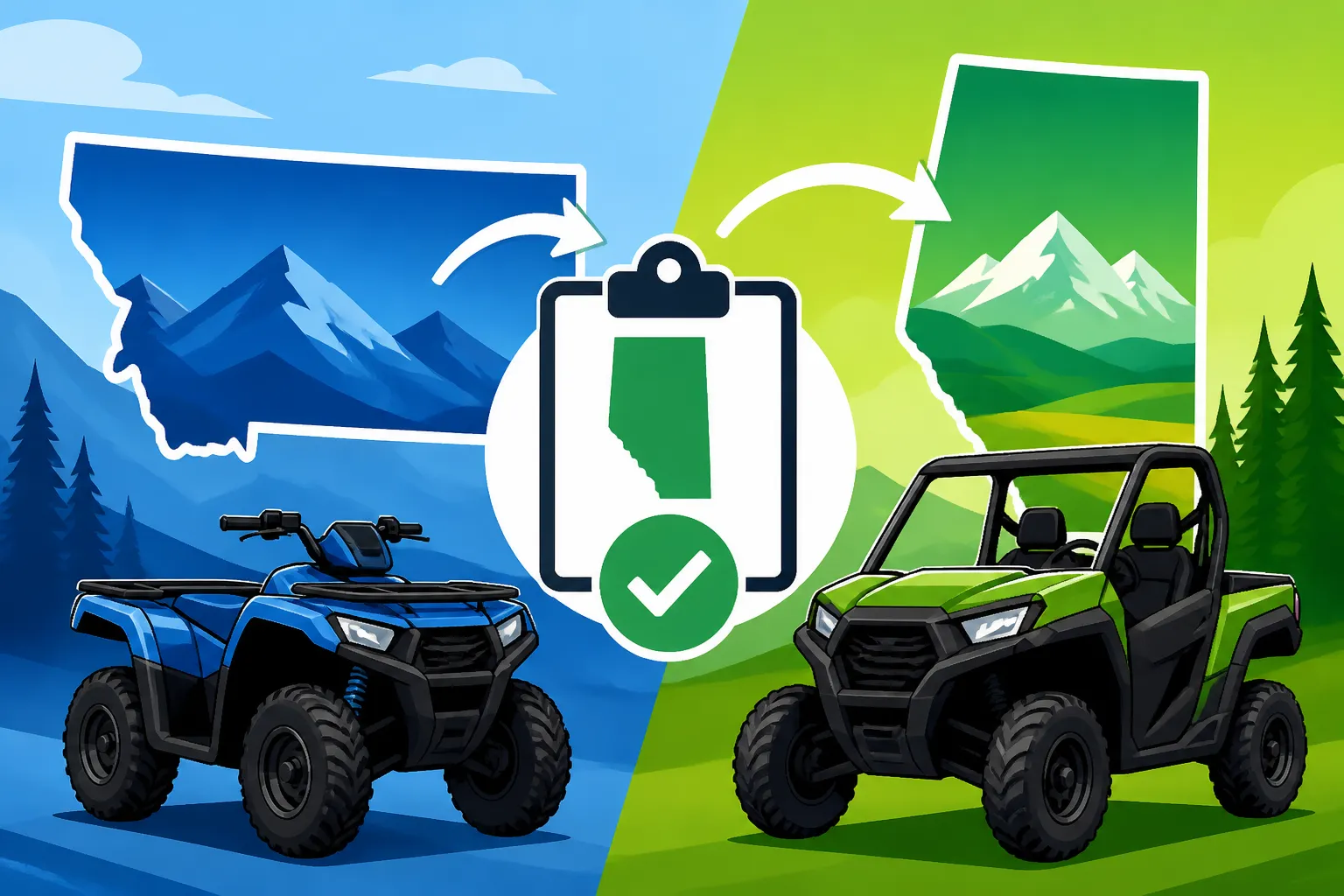
Bringing an off-highway vehicle (OHV) across international borders, especially from a place like Montana, to register it in Alberta can feel like navigating a complex maze without a map. Many riders find themselves overwhelmed by the differing rules, the mountain of paperwork, and the sheer uncertainty of whether their beloved quad or side-by-side will even be accepted. This guide is designed to cut through that confusion, offering a clear, step-by-step pathway for successfully registering your Montana-sourced OHV here in Alberta, ensuring you're ready to hit our stunning trails without a hitch.
Understanding the Initial Hurdle: Why Montana is Different
When you're dealing with an OHV purchase or transfer from another province, say British Columbia or Saskatchewan, there's usually a pretty straightforward process because those provinces typically have similar provincial registration systems. But Montana? Ah, that's where things get a bit more nuanced and can catch unsuspecting buyers off guard. The rules south of the border aren't always a direct mirror of what we expect here in Alberta, and understanding these differences from the get-go can save you a world of headaches.
The Lack of State-Wide Registration in Montana
One of the biggest differences you'll encounter when dealing with an OHV from Montana is the state's approach to registration. Unlike Alberta, where virtually every OHV needs to be registered with the province if you plan to ride it off private land, Montana doesn't have a mandatory state-wide registration system for off-road vehicles. While some states require titles and registration for all ATVs, UTVs, and dirt bikes, Montana operates on a much more relaxed system, at least in terms of a central vehicle registry. This means that many OHVs in Montana might not have a traditional "title" or registration document that we'd recognize as standard proof of ownership in Canada. For recreational use, Montana often focuses more on trail permits and safety education rather than vehicle registration. This absence of a clear, central registration can make proving ownership a bit more challenging when you arrive at an Alberta registry office. It means you'll need to rely heavily on other forms of documentation, which we'll dive into next.
The Importance of a Solid Bill of Sale
Given Montana's lack of a comprehensive state-wide OHV registration, the bill of sale becomes arguably the most critical document you'll possess when bringing your machine into Alberta. It's not just a formality; it's your primary proof of purchase and, by extension, your proof of ownership. A handwritten note on a napkin simply won't cut it. You need a professionally prepared, detailed bill of sale that clearly identifies both the buyer and the seller, specifies the purchase price, and most importantly, provides comprehensive details about the OHV itself. This includes the make, model, year, and the full Vehicle Identification Number (VIN). Without a robust bill of sale, the Alberta registry agent will have very little to go on when you present your case for registration. It's often recommended to use a template from a reputable source, or even something like what LawDepot offers, to ensure all necessary fields are covered. A good bill of sale acts as the cornerstone of your entire registration process.
Essential Paperwork for a Montana Machine
Alright, so you've secured your Montana OHV, hopefully with a rock-solid bill of sale. Now comes the real paper chase. When you're importing an OHV from another country, even our friendly neighbours to the south, there are additional layers of documentation required compared to buying within Canada. Alberta registry agents are used to seeing machines from all over, but international imports have their own specific demands that you absolutely cannot overlook. This isn't just about proving you own the machine; it's about proving it lawfully entered Canada and meets federal import standards.
Proof of Ownership: Beyond a Title
Since a traditional state-issued title might be absent for many Montana OHVs, you'll need to gather all available evidence to establish clear ownership. This typically starts with that detailed bill of sale we just discussed. Ensure it includes the full names and addresses of both the buyer and seller, the date of sale, the purchase price, and a complete description of the OHV, including the VIN. If the OHV came from a dealer in Montana, you might also have a Manufacturer's Statement of Origin (MSO) or a Certificate of Origin (MCO). These documents are fantastic because they confirm the vehicle's initial manufacture and have a unique identifying number from the factory. If the previous Montana owner did have some form of local registration or a local title, even if it wasn't state-wide, bring that too! Any document that connects you to the vehicle as the legal owner, or connects the previous owner to the vehicle, is valuable. Think of it as building a robust chain of custody. When you head to an Alberta registry, they'll be looking for unequivocal proof that you are the rightful owner. Without it, you simply cannot proceed. They need to know that this machine isn't stolen and that all previous transactions were legitimate.
Customs Documentation and Import Declarations
This is where many riders get tripped up. Bringing an OHV from the United States, including Montana, means you've completed an international import. This isn't just a provincial matter; it's a federal one. When you crossed the border, you should have declared the OHV to the Canada Border Services Agency (CBSA) and completed the necessary import paperwork. The most crucial document here is the Vehicle Import Form – Form 1. This form is processed by the Registrar of Imported Vehicles (RIV) program, which ensures that imported vehicles meet Canadian safety and emissions standards. You'll usually have paid duties and GST at the border, and the CBSA will stamp your Form 1, indicating that customs clearance has been granted. [Alberta Customs Paperwork on the Way Home] is a good resource to delve deeper into this. Without a properly completed and stamped Form 1, an Alberta registry agent cannot register your OHV. They simply won't touch it. This document proves that the machine legally entered Canada and has been cleared by federal authorities. Make sure you keep this form safe; it's just as important as your bill of sale, if not more so, for the import process.
What If You Don't Have All the Papers?
Life happens, and sometimes you acquire an OHV without a complete paper trail. Maybe the previous owner lost a document, or perhaps the transaction was less formal than it should have been. If you're missing critical ownership documents, especially the bill of sale or the Form 1, registering your Montana machine in Alberta becomes significantly more challenging, but not always impossible.
If the bill of sale is missing, you might need to try and track down the previous owner to get a new one, or at least a sworn affidavit confirming the sale. If that's not possible, some registry agents might accept a statutory declaration (a sworn statement) from you, detailing how you acquired the machine and why the original bill of sale is unavailable. However, this is at the discretion of the registry agent and often requires additional supporting evidence, such as proof of payment or even photographs of the transaction. For federal import documents like the Form 1, if you didn't declare the vehicle at the border, you're in a much tougher spot. You might need to contact the RIV program directly to see if there's a process for retroactive declaration, which can be complicated and potentially involve penalties. In some extreme cases, without proper import papers, the vehicle might be considered illegally imported, making registration impossible until that status is resolved. It's always best to come prepared with everything, but if you're in a bind, speak to a registry agent as soon as possible to understand your options, or lack thereof. They deal with these scenarios frequently and can advise on the best course of action.
The Alberta Registration Process for Imported OHVs
So, you've got your Montana machine, all your customs paperwork is in order, and you're clutching that pristine bill of sale. Fantastic! Now it’s time to actually get it on Alberta’s books. The process for an imported OHV shares many similarities with registering a local machine, but there are some specific nuances you need to be aware of. The goal is to walk out of the registry office with your new Alberta OHV plate and registration certificate in hand, ready for adventure.
Visiting a Registry Agent with Your Documents
This is the big moment. You'll need to physically visit an authorized [Alberta Registry Agents and OHV Paperwork] office. Don't forget to bring all your documents:
- The detailed bill of sale from the Montana seller.
- Your proof of Canadian residency (like an Alberta driver's license).
- Your personal identification.
- The original Form 1 (Vehicle Import Form) stamped by CBSA and RIV.
- Any other supporting ownership documents, like a Manufacturer's Statement of Origin, if you have it.
- Proof of valid OHV insurance for Alberta. Yes, [Alberta Requires Insurance on Public Land] is a thing, and you'll need it before you can register.
The registry agent will review all your paperwork meticulously. They'll verify your identity, check the VIN on your bill of sale against the Form 1, and ensure everything lines up perfectly. Be prepared for questions about where and when you purchased the vehicle, and how it was imported. They're doing their due diligence to prevent fraud and ensure compliance with provincial and federal laws. Patience is key here; this isn't a quick in-and-out transaction, especially for an import. A detailed [What a Registry Agent Needs to Register Your Quad] often includes a list very similar to this, so it's a good idea to cross-reference before you go.
VIN Verification and Inspections
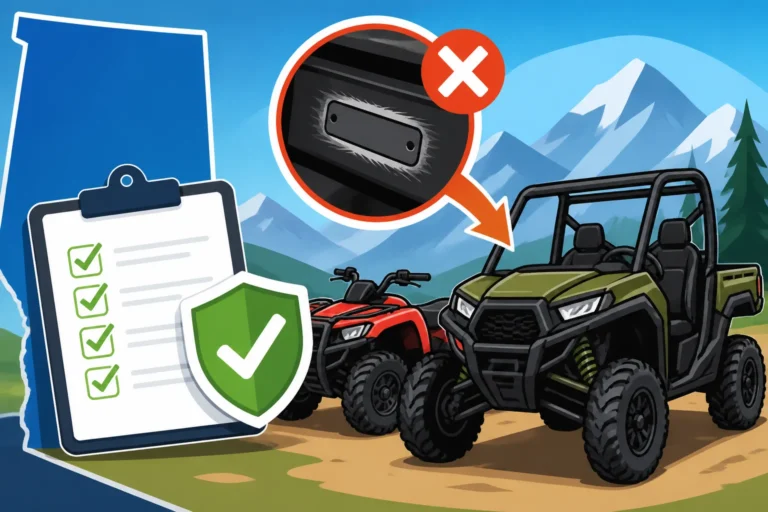
While Alberta doesn't typically require a full mechanical inspection for OHV registration like it does for some road vehicles, the Vehicle Identification Number (VIN) will be verified. The registry agent needs to ensure the VIN on your documents matches the physical VIN on the machine itself. In most cases, they'll ask you to clearly provide the VIN from your paperwork, but they may also have procedures for verifying it through their system or, in rare cases, require you to bring a photo of the VIN plate on the actual machine. This is especially important for imported vehicles to confirm the identity of the machine and prevent stolen vehicles from being registered. Make sure the VIN is legible and accessible on your OHV, as this is a crucial step in the process. Some older or well-used machines might have faded or damaged VIN plates, which can cause delays, so it's worth checking yours before you go.
The Cost and Duration of Registration
The cost of registering your imported Montana OHV in Alberta will typically include the provincial registration fee, plus any service fees charged by the registry agent. While I can't give you exact figures, expect to pay a base amount for the registration itself, which covers your plate and certificate, and then a separate fee for the registry's services. These service fees vary slightly between different registry offices. You'll also need to consider the initial costs you incurred during the import process, such as federal duties and GST paid at the border.
The duration of the registration itself can be for one or two years, depending on your preference and what the registry offers. Many riders opt for the two-year option for convenience, as it means one less thing to think about annually. Once all your paperwork is approved and fees are paid, you'll typically receive your new Alberta OHV plate and registration certificate right then and there. This means you can often walk out with everything you need to legally ride. However, remember to also factor in the time it took to get your customs paperwork in order and any potential delays if documents were missing. The [Alberta Registration Processing Time] at the registry itself is usually quite quick once you have all the correct documents. For payment, most registry agents accept various methods, and you can usually find details about [Alberta Registration Payment Methods] on their websites.
Special Considerations and Common Pitfalls
Bringing an OHV from Montana isn't just a matter of showing up with a bill of sale; it's a multi-layered process that can sometimes throw curveballs. Beyond the standard paperwork, there are specific factors that can either smooth your path or create significant hurdles. Being aware of these common pitfalls and special considerations beforehand can save you time, money, and a lot of frustration.
Dealing with Liens from Montana
One of the less common but potentially serious issues when importing a used OHV from Montana is the presence of a lien. Just like in Canada, if the previous owner financed their OHV, the lender (a bank or credit union) might have placed a lien on the vehicle. This means the lender has a legal claim to the OHV until the loan is fully repaid. The problem is, Montana's lien registry might not be directly accessible or easily verifiable by an Alberta registry agent. If a lien exists and hasn't been discharged, you could technically become the owner of a machine that still has an outstanding debt attached to it.
To avoid this nightmare scenario, it's crucial to perform your due diligence before purchasing the OHV in Montana. Ask the seller for proof that any outstanding loans have been paid off and the lien discharged. A clear title (if one existed) showing no liens, or a letter from the financing institution, is ideal. You might also consider using a third-party service that can perform lien checks across state lines, though these can be tricky for OHVs due to Montana's specific registration system. An Alberta registry agent will likely inquire if you've done your due diligence on liens, and while they might not refuse registration solely on the potential of an unverified Montana lien (since it's outside their jurisdiction to check), discovering one later can cause significant legal and financial problems for you as the new owner. Better safe than sorry – ensure the machine is free and clear before you commit.
Customs Clearance: The Crucial First Step
I can't stress this enough: successful customs clearance is the absolute foundation for registering your Montana OHV in Alberta. If you skimped on this step, or if there were any issues at the border, you will hit an insurmountable wall at the registry office. Customs clearance involves several key components:
- Declaration: You must declare the OHV to the CBSA when you cross the border. Don't try to sneak it in!
- Form 1 Processing: The CBSA will process the Vehicle Import Form (Form 1) and confirm it's been sent to the RIV program. The RIV program ensures the vehicle meets Canadian safety standards. While OHVs generally have fewer RIV requirements than road vehicles, it’s still part of the federal import process.
- Duties and Taxes: You'll pay applicable federal duties (if any) and Goods and Services Tax (GST) on the declared value of the OHV. Remember, [Alberta Has No Provincial Sales Tax], so you'll only deal with federal GST.
Without a properly executed and stamped Form 1 indicating that the RIV process has begun or completed, and that duties and taxes have been paid, an Alberta registry agent cannot proceed with your registration. This document is their absolute proof that the OHV legally entered Canada. Any missing piece here will send you back to square one, potentially involving calls to CBSA or RIV, which can be time-consuming and frustrating. Think of it as your passport for the machine – without a valid entry stamp, it's stuck at the border, even if it's already physically in Alberta. For a more detailed look at the import process, consult resources on [Alberta Registration for an Imported Machine].
Insurance Requirements for Your New Alberta Ride
Before you even step foot into an Alberta registry office to register your imported Montana OHV, you must have valid insurance coverage for it. This isn't an optional extra; it's a mandatory requirement under Alberta law for any OHV operating on public land. Even if you only plan to ride on private property, many landowners or clubs will require proof of insurance.
Securing insurance for an OHV can be a straightforward process, but it's something you need to arrange with an insurance provider licensed in Alberta. They'll need details about your machine (make, model, year, VIN), your riding experience, and where you plan to operate it. Don't assume your existing vehicle insurance will cover it; OHVs typically require a separate policy. Once you have your insurance, the provider will give you a proof of insurance card or certificate. This is the document the registry agent will ask to see. They need to confirm that your machine is insured before they issue your plate and registration. Without it, the process stops dead in its tracks. Having your insurance in place not only meets a legal requirement but also offers crucial peace of mind when you're out exploring Alberta's incredible landscapes.
Preparing Your Montana Machine for Alberta Trails
Okay, so your Montana OHV is officially registered in Alberta. You've got your new plate, your registration certificate, and your insurance card. You're almost ready to hit those amazing Alberta trails! But before you load up and head out, it's vital to ensure your machine itself complies with Alberta's operational requirements. This isn't just about avoiding tickets; it's about safety and responsible riding, something every veteran lifestyle blogger for OHVs values deeply.
Understanding Alberta's Equipment Standards
Alberta has specific regulations regarding the equipment required on OHVs when operating on public land. These are in place for safety, environmental protection, and to minimize conflicts with other land users. You'll need to make sure your Montana machine meets these standards.
- Headlights and Taillights: Your OHV must have working head and taillights. This isn't just for night riding; it's often a requirement during low visibility conditions or even just riding in designated OHV zones. [Alberta Requires Working Head and Tail Lights] is a non-negotiable.
- Spark Arrestor: All OHVs operating on public land in Alberta must be equipped with a spark arrestor that is in good working order. This critical device prevents hot carbon particles from escaping the exhaust and potentially starting wildfires, especially in dry conditions. Many stock machines come with one, but if your Montana machine has an aftermarket exhaust, verify that it includes a certified spark arrestor. [Does Your Quad Need a Spark Arrestor in Alberta?] Absolutely.
- Muffler/Exhaust: While you might have enjoyed a loud exhaust in Montana, Alberta has regulations against modified exhausts that exceed certain noise levels on public land. Loud pipes attract negative attention and can lead to tickets. Ensure your machine's exhaust system is stock or meets acceptable noise limits. [Why a Modified Muffler Can Cost You a Ticket] explains this in more detail.
- Brakes: Your OHV needs fully functional brakes on all wheels.
- Safety Features: Ensure all original safety features, such as kill switches and throttle limiters (if applicable), are in working order.
Taking a few minutes to inspect these items before your first ride can save you from a costly ticket or, more importantly, prevent an accident or fire.
Plate Placement and Visibility
Once you receive your shiny new Alberta OHV plate, you need to ensure it's properly affixed to your machine. The plate must be securely attached to the rear of the OHV, clearly visible, and free from any obstructions. It needs to be mounted in a position where it won't be easily damaged or fall off during your adventures. For quads, this usually means mounting it on the rear rack. For side-by-sides, there's often a designated spot at the back. [Alberta Plate Placement on a Machine] goes into specific details about this requirement.
Remember, the plate is your visual proof of registration, and law enforcement officers will be looking for it. A plate that's obscured by mud, bent, or improperly secured can draw unwanted attention and potentially lead to a stop or even a ticket. It's a small detail, but an important one for legal and hassle-free riding. Take care when mounting it; you want it to stay put even over rough terrain. Some riders even reinforce their plate mounts to ensure they withstand the rigours of off-road use.
After Registration: What You Need to Know for Riding
You’ve successfully navigated the import, paperwork, and registration process for your Montana OHV, and it’s now officially an Alberta machine! That’s a huge accomplishment. But getting the plate is just the beginning. To truly enjoy Alberta’s vast network of trails and public lands responsibly and legally, there are a few more crucial things you need to have squared away every time you head out. These aren't just suggestions; they are part of the due diligence every rider needs to perform.
Carrying Your Registration and Proof of Insurance
Just like driving a car on the road, when you're operating your OHV on public land in Alberta, you must have your registration certificate and proof of valid insurance with you. An officer on patrol, whether it's an RCMP member, a Fish and Wildlife officer, or a provincial park ranger, can ask to see these documents at any time.
Many riders choose to print a copy of their digital registration certificate and keep it in a waterproof bag or container on their machine. Some keep it in their wallet. The original certificate is typically a paper document issued by the registry agent. For insurance, your provider will give you a small card that fits easily into a wallet. It's often debated whether a digital copy on your phone is sufficient; while some officers might accept it, having a physical copy is always the safest bet, especially in areas with no cell service. [Printing a Certificate Before You Ride] is highly recommended. Not being able to produce these documents on demand can lead to delays, fines, or in more serious cases, even your vehicle being seized. Always do a quick check before you head out: keys, helmet, registration, insurance. These four items are your absolute must-haves.
Public Lands Passes and Other Permits
Beyond your basic OHV registration, Alberta has specific requirements for accessing and recreating on certain public lands. The most prominent of these is the Public Lands Camping Pass. If you plan to random camp anywhere along the Eastern Slopes (a vast area that includes many popular OHV zones), you will need to purchase this pass. This pass is required for anyone 18 years or older who is recreating and camping on public land within designated zones. It's a relatively new requirement but is strictly enforced. You can purchase this pass online, often through the same system used for fishing and hunting licenses. For more details, consult [Alberta Public Lands Camping Pass Rules].
Additionally, depending on where you ride, you might need other permits or passes:
- Kananaskis Conservation Pass: If you're riding or staging your OHV within the Kananaskis region, which includes popular spots like McLean Creek, you'll need a Kananaskis Conservation Pass for your towing vehicle. This pass helps fund conservation efforts in the park.
- Specific Land Use Zone (PLUZ) Rules: Some Public Land Use Zones have unique rules or seasonal closures. Always check the specific regulations for the PLUZ you intend to visit. For instance, some areas may have designated trails only, and riding off-trail is strictly prohibited.
- Fire Bans: Before any ride, especially in dry seasons, always check for fire bans and restrictions in the area you plan to visit. Fire bans can include restrictions on OHV use in certain zones, particularly during extreme fire risk.
It's your responsibility as a rider to know and adhere to these regulations. Ignorance of the law is not an excuse. A quick check of the Alberta Environment and Protected Areas website or contacting a local recreation office can provide the most up-to-date information for your chosen riding area. Being prepared with all necessary passes and understanding the local rules ensures a smooth, enjoyable, and penalty-free experience on Alberta's breathtaking trails.
| Document Type | Required for Registration | Required for Riding | Notes |
|---|---|---|---|
| Detailed Bill of Sale | Yes | No | Primary proof of ownership from Montana |
| Form 1 (Customs) | Yes | No | Essential for legal import from USA |
| Proof of Identity | Yes | No | Driver's License or other government ID |
| Proof of Residency | Yes | No | Alberta Driver's License or utility bill |
| OHV Insurance Card | Yes | Yes | Mandatory for public land operation |
| Registration Certificate | No (issued by registry) | Yes | Carry a physical or digital copy on rides |
| Public Lands Camping Pass | No | Yes (if camping) | Required for random camping in designated zones |
| Kananaskis Pass | No | Yes (if in Kananaskis) | For towing vehicle in Kananaskis area |
Disclaimer
This article is for general informational purposes only and does not constitute professional advice. Laws, prices and regulations vary by location and change over time. Consult a qualified professional for guidance on your specific situation.