Alberta Registration for a Machine From Saskatchewan
Bringing an off-highway vehicle (OHV) across provincial borders can sometimes feel like navigating a whole new set of rules, and if you've recently moved to Alberta or acquired a machine from Saskatchewan, you might be scratching your head about how to get it properly registered. It’s a common point of confusion for many riders, especially with each province having its own unique quirks. This guide will walk you through everything you need to know about registering your Saskatchewan-origin OHV in Alberta, covering the necessary paperwork, the process, and what to do if you hit a snag.
The Initial Hurdles: Understanding Alberta's Approach to Out-of-Province OHVs
It's easy to assume that because provinces are part of the same country, their rules for something like OHV registration would be identical. However, that's often not the case, and coming from Saskatchewan, you'll find some distinct differences in Alberta's system. Understanding these upfront can save you a lot of grief and unexpected delays.
Why Alberta's Registration System Might Feel Different
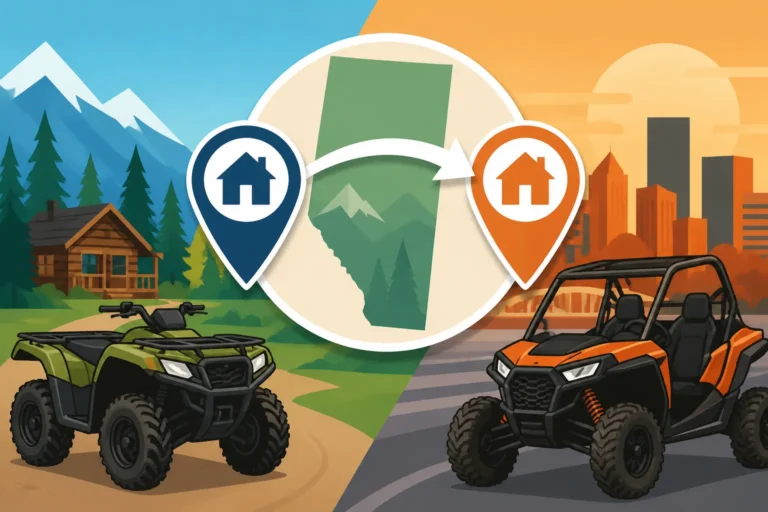
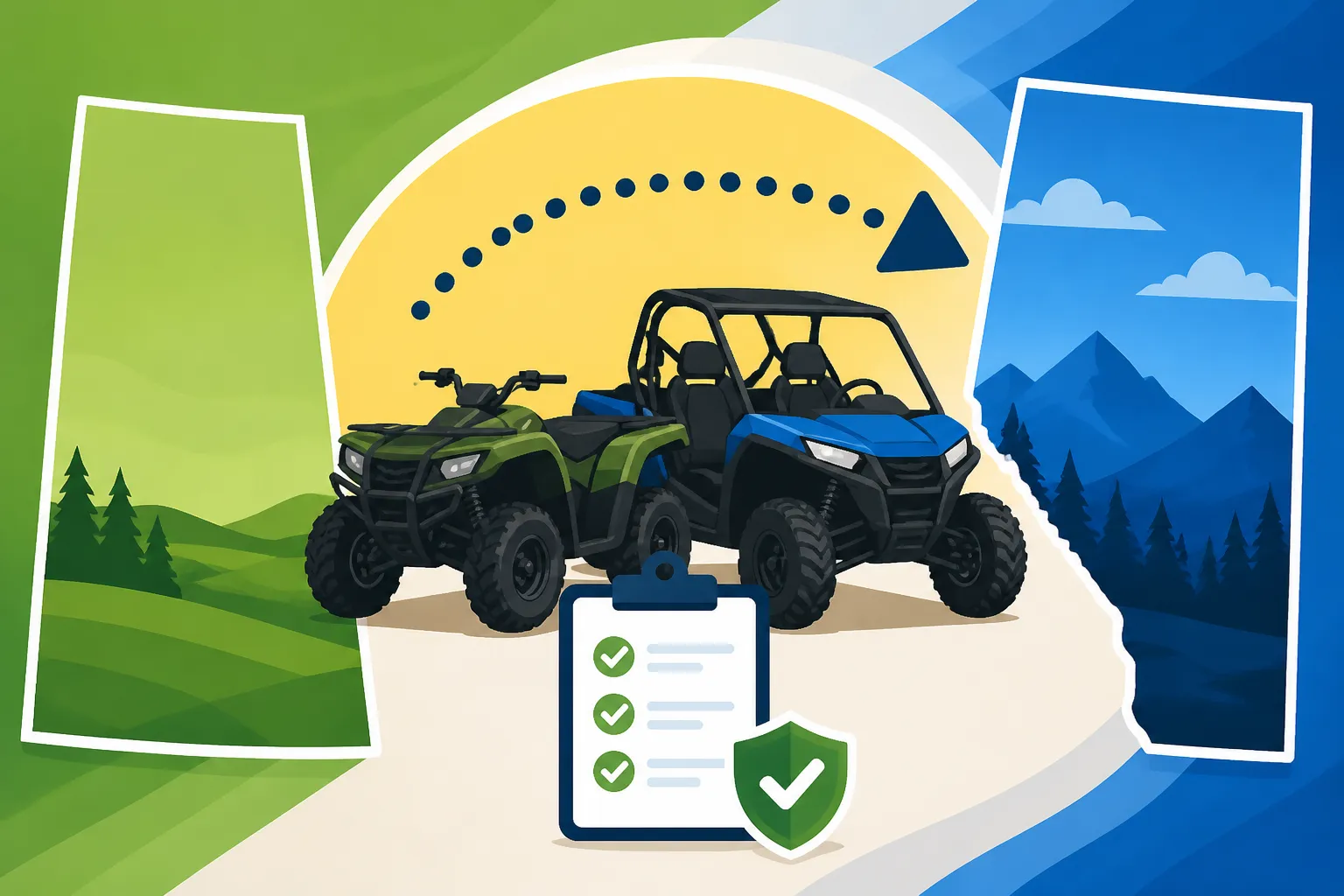
Alberta's approach to off-highway vehicle registration is rooted in its Traffic Safety Act and the Off-Highway Vehicle Regulation (319/2002). Unlike some jurisdictions that might focus more heavily on ownership transfers at the point of sale for all vehicles, Alberta's system for OHVs is heavily geared towards public land use. If you plan to ride anywhere off your own private property, your machine needs to be registered. This isn't just a suggestion; it's a legal requirement, and enforcement is quite strict. Many new Albertans coming from other provinces are surprised by this, especially if their previous province had a more relaxed or even non-existent OHV registration system. For example, [Alberta Registration Compared to Saskatchewan] reveals some key contrasts.
The registration process itself happens through a network of private registry agents, not directly with the provincial government. This means you're dealing with individual businesses that are licensed to perform these services, which can sometimes lead to slight variations in how things are explained or the specific flow of their office. They are the gatekeepers of the system, so understanding what they need is paramount. Alberta also issues a physical license plate, which must be displayed on your machine, unlike some areas where a sticker might suffice. This plate is your proof that the machine is formally recognized and can be legally operated on public land.
The Critical Distinction: Visitor vs. New Resident
One of the first things you need to figure out when bringing a Saskatchewan OHV to Alberta is whether you're just visiting or if you've made a permanent move. The rules are quite different, and misunderstanding this distinction can lead to penalties. If you're simply here for a short riding trip, Alberta has provisions that allow you to ride on your Saskatchewan plate and registration for a limited time. This is really helpful for those planning a vacation or a temporary work assignment.
However, if you've decided to make Alberta your new home, or if you've acquired a machine in Saskatchewan and are bringing it back to Alberta for regular use, then you are no longer considered a visitor in the eyes of the law. At that point, the expectation is that you will fully register your OHV in Alberta. This transition typically involves establishing proof of Alberta residency. The moment you become an Alberta resident and wish to use the machine in Alberta, the clock starts ticking on getting that local registration. Trying to ride on your old Saskatchewan plate indefinitely as an Alberta resident is a surefire way to run into trouble with enforcement officers, who are well-versed in these rules.
Step-by-Step: Registering Your Saskatchewan OHV in Alberta
Once you've determined that your Saskatchewan OHV needs full Alberta registration, the process is fairly straightforward, provided you have all your ducks in a row. The key is to gather the correct documentation before you even step foot into an Alberta registry agent office. Trying to do it piecemeal can lead to frustrating multiple trips.
Essential Documents You'll Need from Saskatchewan
When you head to an Alberta registry agent, they're going to need proof of ownership, proof of the machine's identity, and proof that you are who you say you are and an Alberta resident. For a machine coming from Saskatchewan, this typically means:
- Proof of Ownership: The most crucial document here is a valid bill of sale. This needs to clearly show the transfer of ownership from the previous owner (or the dealer) to you. It should include the full names and addresses of both buyer and seller, the date of sale, the purchase price, and a detailed description of the OHV, including the make, model, year, and crucially, the Vehicle Identification Number (VIN). If you purchased it from a dealer, you might have a more formalized sales agreement or a Manufacturer's Statement of Origin (MSO) if it's a brand new machine. Even for an informal sale, a simple, clear bill of sale is sufficient, and you can find templates online, perhaps even through services like LawDepot, to ensure you've covered all the necessary details.
- Saskatchewan Registration Certificate (if applicable): While not always strictly required for initial Alberta registration if you have a solid bill of sale, having the previous Saskatchewan registration certificate can help confirm the VIN and demonstrate a clear chain of ownership. It also shows that the machine was previously registered in another jurisdiction, which can be helpful context for the registry agent.
- Your Personal Identification: You'll need valid government-issued photo ID (like an Alberta driver's license or ID card) and proof of Alberta residency. This might include utility bills, a lease agreement, or other documents with your current Alberta address. For details on what is accepted, you can check [Alberta Registration Paperwork Checklist].
Ensure all names and VINs match perfectly across your documents. Any discrepancies will likely cause delays.
Navigating the Alberta Registry Agent Process
With your documents in hand, your next stop is a local Alberta registry agent. You can find these businesses in almost every community across the province. It's often a good idea to call ahead, especially if you have a unique situation, just to confirm their specific hours or if they recommend a particular time of day. While you won't be able to [Registering an ATV in Alberta Online] for an out-of-province machine initially (online renewal is for already registered Alberta machines), you can use online tools to find your nearest agent.
Once there, you'll present your documents to a registry staff member. They will review everything, check the VIN for any outstanding liens or theft reports (this is a critical step, especially for used machines), and guide you through filling out the necessary Alberta registration forms. They will input the machine's details into the provincial system and process your payment for the registration fees. This is also where you'll typically be asked about your insurance, as proof of valid liability insurance is mandatory before an OHV can be registered in Alberta. We'll delve more into insurance shortly.
Upon successful completion, you will be issued an Alberta OHV license plate, which you'll need to mount on your machine, and a registration certificate. Remember, [Alberta Issues a Plate, Not a Sticker] for OHVs, and you'll need to print out your [Alberta Digital Certificates Must Be Printed] if you access it online later.
What to Expect in Terms of Costs and Timing
The costs associated with registering your Saskatchewan OHV in Alberta generally fall into a few categories:
- Registration Fee: This is the provincial fee for the actual registration. You can choose a one-year or two-year registration period, which impacts the initial cost. For a general idea of the base fee, you can refer to [What Alberta OHV Registration Costs].
- Registry Agent Fees: Because registry agents are private businesses, they charge a service fee on top of the provincial registration fee. These fees are standardized by the province, but it's important to remember they're separate from the government portion. These are the [Alberta Registry Counter Fees].
- GST: If you're transferring ownership and it's a new purchase from a dealer, or if the registry determines GST is applicable for other reasons (though typically it's handled at the point of sale), you might see federal Goods and Services Tax added to the purchase price if you haven't already paid it. Alberta does not have its own provincial sales tax on top of this.
- Insurance Costs: This is separate from the registration process itself but is a mandatory precursor. The cost of your OHV insurance will vary widely based on your machine, riding history, and chosen coverage.
In terms of timing, the process at the registry agent's office is usually quite quick, often taking only 15-30 minutes if you have all your documents ready. The longest part of the journey is usually gathering everything beforehand and ensuring there are no surprises with the machine's history. You'll leave with your plate and certificate on the same day, allowing you to legally ride once your plate is properly affixed and you have proof of insurance.
When Paperwork Isn't Perfect: Addressing Common Challenges
Life isn't always neat, and sometimes the paperwork for a used OHV, especially one purchased informally across provincial lines, isn't as tidy as a registry agent would like. Don't panic! There are often solutions, but they require a bit more legwork and understanding.
What to Do If You Don't Have a Bill of Sale
This is one of the most common issues riders face, particularly when buying a used machine from a private seller who may not have provided a formal document, or if the machine has changed hands several times without proper records. Alberta registry agents absolutely require proof of ownership. If you're in this bind:
- Contact the Seller: Your first step should always be to reach out to the person you bought the OHV from. Explain the situation and ask them to provide a properly completed bill of sale. Sometimes it's an honest oversight. If you need a template, there are many available online, and services like LawDepot offer customizable legal documents that can ensure all necessary fields are included for an [Alberta Private Sale Paperwork].
- Previous Owner's Documents: If the immediate seller can't or won't provide one, can they put you in touch with the previous owner, or provide a copy of the bill of sale they received? A chain of ownership, even informal, can sometimes help the registry agent piece things together.
- Statutory Declaration: In rare cases, and usually as a last resort when all other avenues have been exhausted, a registry agent may accept a Statutory Declaration. This is a sworn legal document where you declare under oath that you are the rightful owner of the machine, detailing how and when you acquired it, and why a traditional bill of sale is unavailable. This is not a guaranteed solution and will be at the discretion of the registry agent and Alberta's system, but it's an option to discuss with them if you are truly stuck. It's often easier to get a bill of sale, even a retrospective one, from the seller. [Alberta Registration Without a Bill of Sale] goes into more depth on this.
Verifying Ownership and Clearing Liens
When you register an OHV in Alberta, especially one coming from another province, the registry agent will perform a search for liens. A lien is a legal claim placed on a machine, usually by a lender, if it was purchased with financing. If there's an outstanding lien, you won't be able to register the OHV in your name until it's cleared. This protects buyers from inadvertently purchasing a machine with unpaid debt attached.
- Before You Buy: Ideally, you should perform a lien check before purchasing any used OHV, especially from another province. This can typically be done through a local registry agent or online services for a small fee. This simple step can save you immense headaches later.
- If a Lien is Found: If a lien from Saskatchewan (or anywhere else) appears during your Alberta registration attempt, you'll need to contact the financial institution that holds the lien. You'll then need to work with the seller to ensure that the outstanding debt is paid off and the lien is formally removed. The registry agent will require proof that the lien has been discharged before they can proceed with your registration. This process can sometimes take time, as it involves communication between institutions across provincial lines.
Dealing with Machines Lacking a Visible VIN
The Vehicle Identification Number (VIN) is the unique identifier for your OHV, much like a fingerprint. It's absolutely critical for registration. It proves the machine is what it claims to be, allows for lien checks, and is recorded on your registration certificate. If your machine's VIN plate is missing, unreadable, or appears altered, this is a serious red flag.
- Locating the VIN: VINs are usually stamped into the frame of the machine in several locations. Consult your owner's manual for specific locations, but common spots include the front frame, near the engine, or on a cross-member. Sometimes, rust or damage can obscure it.
- Reporting to the Registry: If you genuinely cannot find a VIN, or if it appears tampered with, you must discuss this with the registry agent immediately. They will have specific procedures for handling such cases, which often involve further investigation, potentially requiring a police report to rule out theft, or even a specialized inspection to verify the machine's identity. In some extreme cases, if a VIN cannot be satisfactorily verified, the machine may be unregistrable.
- Avoiding "No Paperwork" Machines: This is why it's so important to be cautious when buying an OHV with no paperwork or a suspicious VIN. It might seem like a bargain at the time, but the cost of not being able to register or legally ride it can far outweigh any initial savings. A formal bill of sale, like one you could create with LawDepot, will always include the VIN for proper record-keeping. [Alberta Registration When the VIN Is Gone] highlights these challenges further.
Beyond Registration: Insurance, Equipment, and Compliance in Alberta
Getting your Saskatchewan OHV registered in Alberta is a huge step, but it's not the only piece of the puzzle. To legally and safely enjoy the trails, you need to be aware of Alberta's requirements regarding insurance, mandatory equipment, and where you can actually ride.
Understanding Alberta's Mandatory Insurance Requirements
This is a non-negotiable aspect of OHV ownership and riding in Alberta. While you might have had insurance in Saskatchewan, you'll need to ensure you have a policy that meets Alberta's standards. [Alberta Requires Insurance on Public Land].
- Third-Party Liability: The absolute minimum requirement in Alberta is third-party liability insurance. This protects you financially if you cause an accident that injures another person or damages their property while operating your OHV on public land. The minimum coverage amount is set by provincial regulation, and it's essential that your policy meets or exceeds this figure.
- Proof of Insurance: You must carry proof of this insurance with you whenever you're operating your OHV on public land. This could be a physical card or a digital copy on your phone. If an enforcement officer asks to see it, you must be able to produce it on demand. [Alberta Proof of Insurance on Demand] is not just a suggestion; it's the law.
- Getting a Policy: If you're new to Alberta, you'll need to contact an insurance broker or provider operating in the province to secure a policy. They'll be able to guide you through the options and ensure you meet all legal requirements. Don't assume your Saskatchewan policy will automatically transfer or meet Alberta's standards once you become an Alberta resident.
Key Equipment Differences to Be Aware Of
While many basic safety items are universal, Alberta has specific equipment requirements for OHVs operating on public land that might differ from what you were used to in Saskatchewan.
- Lights: Your OHV must be equipped with working head and tail lights if you plan to ride at dusk, dawn, night, or in conditions of poor visibility. Even in daylight, having working lights is always a good idea for visibility. [Alberta Requires Working Head and Tail Lights] is a critical safety and legal requirement.
- Spark Arrestor: This is a device designed to prevent sparks from exiting your exhaust system, which is crucial for preventing wildfires. All OHVs operating on public land in Alberta must have a functioning spark arrestor. [Alberta Requires a Spark Arrestor] is particularly important in our often-dry landscapes.
- Muffler/Exhaust: Alberta has strict rules about noise and modified exhausts. Your OHV must have a muffler that is in good working order and not modified to be louder than factory specifications. Loud or modified exhausts are a common reason for tickets. [Alberta Bans Modified Exhausts] on public land.
- Helmets: Since May 2017, it has been mandatory for all OHV riders and passengers on public land in Alberta to wear an approved helmet. There are very limited exemptions, primarily for specific occupational or religious reasons. If you're coming from Saskatchewan where helmet laws might differ, this is a crucial change to note. You'll need a helmet that meets CSA, Snell, or ECE standards. [Alberta ATV Helmet Law Explained] covers this in detail.
It's always a good practice to perform a pre-ride inspection to ensure all your equipment is in good working order before you head out.
Where You Can Legally Ride in Alberta
Alberta has a vast network of public lands and designated OHV zones, but it also has strict rules about where you can and cannot ride. Coming from another province, you might not be familiar with the local designations.
- Public Land Use Zones (PLUZs): Many of Alberta's prime riding areas are located within PLUZs, such as McLean Creek or the Ghost PLUZ. These areas have specific rules about what types of vehicles are allowed, on which trails, and during what seasons. It's essential to research the specific PLUZ you plan to visit before you go.
- Crown Land vs. Private Land: Generally, you can ride on Crown Land where OHV use is permitted, but you absolutely cannot trespass on private land without the landowner's explicit permission.
- Roads and Ditches: This is a big one: in Alberta, the legal definition of a "highway" includes the ditch, shoulder, and even alleys. This means riding your OHV on these areas is generally prohibited unless a specific municipal bylaw allows it. [Alberta Ditch Riding Is Not Automatic], so always check local bylaws before assuming you can use public roadways or their adjacent areas.
- Provincial Parks and Protected Areas: Most provincial parks and protected areas do not permit OHV use, except on designated trails within specific areas that allow it. Always check the park's regulations.
- Forestry Roads and Cutlines: Many forestry roads are public access, and cutlines (straight paths through the bush, often for industrial access) may be ridden, but always be aware of active industry, logging, or oil and gas operations, and yield to industrial traffic.
Before you head out, familiarize yourself with Alberta's OHV riding regulations. Websites for Alberta Parks and Alberta Environment and Protected Areas are excellent resources for mapping and understanding designated riding zones and their rules.
Temporary Visits: Riding Your Saskatchewan OHV in Alberta
Even if you're not planning a permanent move, many Saskatchewan riders love to visit Alberta's diverse landscapes for an OHV adventure. Thankfully, Alberta's rules make it fairly easy for temporary visitors to enjoy the trails without having to jump through full Alberta registration hoops.
The 30-Day Exemption Rule for Visitors
Alberta's Traffic Safety Act includes a provision that allows out-of-province OHVs to operate on Alberta public land without Alberta registration for a limited period. This is often referred to as the "30-day rule."
- What it Means: If your OHV is validly registered and plated in Saskatchewan, you can ride it in Alberta for up to 30 consecutive days without needing to get an Alberta plate. This exemption is designed to accommodate tourists and short-term visitors.
- Consecutive Days are Key: The "consecutive days" part is important. It doesn't mean 30 days spread out over a year; it means a continuous period of 30 days. If you stay for 31 days, you've exceeded the exemption. However, if you come for 10 days, leave for a week, and then return for another 10 days, those are two separate periods within the spirit of the rule.
- Maintaining Home Province Registration: The key condition for this exemption is that your OHV must remain validly registered and insured in Saskatchewan. If your Saskatchewan registration expires while you're in Alberta, or if your insurance lapses, you are no longer covered by this exemption and would be operating illegally. [Alberta's 30-Day Rule for Out-of-Province Machines] is a fundamental aspect of this policy.
What Documents to Carry When Visiting
Even though you're riding on your Saskatchewan plate, you still need to be prepared to demonstrate that you are legally entitled to do so. An enforcement officer in Alberta will expect to see certain documents.
- Saskatchewan Registration Certificate: Always carry your current and valid Saskatchewan OHV registration certificate. This proves the machine is registered in your home province.
- Proof of Insurance: Just as Alberta riders need it, you must have proof of valid third-party liability insurance for your OHV. Ensure your Saskatchewan policy provides coverage for riding in Alberta, as some policies might have geographical limitations. Check with your insurance provider before you travel.
- Personal Identification: Carry your Saskatchewan driver's license or other government-issued photo ID. This verifies your identity and helps confirm your residency status for the purpose of the 30-day exemption. [Alberta Proof of Residency for Visitors] can be as simple as your driver's license showing your Saskatchewan address.
- Ownership Documents: While not strictly required for every roadside check, having a bill of sale or other proof of ownership can be helpful, especially if there are any questions about the machine's history. It’s always better to be over-prepared.
Make sure these documents are protected from the elements while you ride – a waterproof pouch in your pack is a good idea!
When a Visit Becomes a Move: Crossing the Residency Line
The 30-day rule is very convenient for visitors, but it's not a loophole for new residents. If your intent changes from a temporary visit to a permanent relocation to Alberta, or if you exceed the 30-day limit, you are then expected to register your OHV in Alberta.
- Establishing Residency: Moving to Alberta means you'll eventually get an Alberta driver's license, set up utilities, and establish other ties to the province. Once you begin establishing Alberta residency, the expectation is that your vehicles (including OHVs) will be registered here.
- The "Grey Area" of Timing: While the 30-day rule for visitors is clear, there isn't always a hard and fast rule for the exact day a "new resident" must register their OHV. However, the general principle is that once you become an Alberta resident, you should take steps to register your OHV in Alberta in a timely manner. Don't push your luck. If you've been in Alberta for several months, have an Alberta ID, and are still riding on a Saskatchewan plate, you're likely to face scrutiny and potential fines if stopped.
- Avoiding Penalties: The easiest way to avoid penalties for unregistered operation is to understand the distinction. If you're coming for a holiday, enjoy your ride! If you're moving to Alberta, make Alberta OHV registration one of your early to-do items once you're settled. This keeps you compliant with [What the Traffic Safety Act Requires of Alberta OHVs] and allows you to explore Alberta's trails worry-free.
No matter whether you're visiting or settling in, being proactive and having your paperwork in order will make your Alberta OHV riding experience a smooth one.
Alberta OHV Registration Document Checklist
| Document Type | Required for Visitors (Saskatchewan Plate) | Required for New Residents (Alberta Plate) | Notes & Source |
|---|---|---|---|
| Proof of Ownership | Recommended (Bill of Sale) | MANDATORY (Bill of Sale/MSO) | Saskatchewan dealer sales slip, private bill of sale (e.g., LawDepot template) |
| VIN Verification | Not explicitly asked (assumed valid) | MANDATORY | Located on machine frame, checked by registry |
| Saskatchewan Reg. Cert. | MANDATORY | Recommended (for history) | Current Saskatchewan OHV registration |
| Alberta Reg. Cert. | Not applicable | MANDATORY (issued by registry) | Issued by Alberta registry agent |
| Saskatchewan Plate | MANDATORY | Not applicable | Your current Saskatchewan OHV plate |
| Alberta OHV Plate | Not applicable | MANDATORY (issued by registry) | Issued by Alberta registry agent, must be displayed |
| Proof of Insurance | MANDATORY (Sask. policy) | MANDATORY (Alberta policy) | Insurance card or digital proof, must meet Alberta minimums |
| Personal ID | MANDATORY (Sask. DL/ID) | MANDATORY (Alberta DL/ID) | Valid government-issued photo identification |
| Proof of Alberta Res. | Not applicable | MANDATORY | Utility bill, lease, Alberta driver's license with address |
Disclaimer
This article is for general informational purposes only and does not constitute professional advice. Laws, prices and regulations vary by location and change over time. Consult a qualified professional for guidance on your specific situation.