A Credit Union Loan for an Alberta Quad
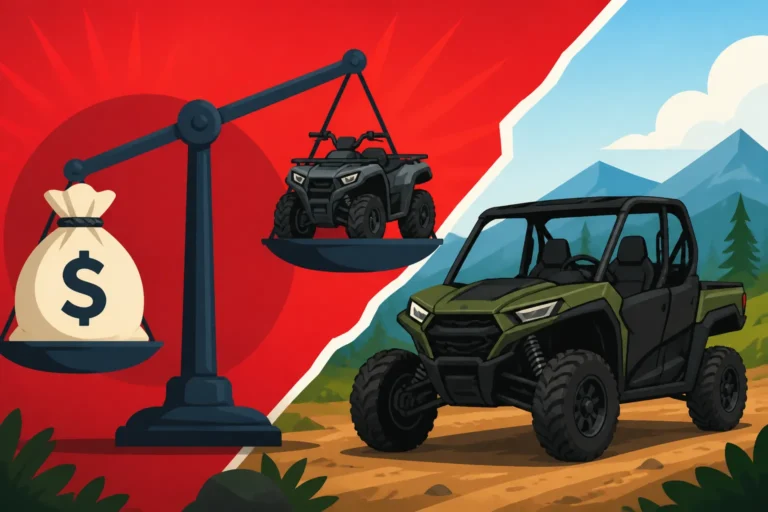
The dream of owning an ATV or UTV in Alberta often collides with the reality of its price tag. Many riders, myself included, have stood in front of a shiny new side-by-side or a rugged quad, wondering how to make it a reality without draining every last dollar from their savings. This guide is all about navigating the ins and outs of securing a loan for your off-highway vehicle, with a particular focus on how a credit union can be a fantastic, community-focused option right here in Alberta.
Why Consider a Credit Union for Your Alberta Quad Loan?
When you’re looking to finance a significant purchase like an ATV or UTV, the options can feel overwhelming. You’ve got the big banks, dealership financing, and then there are credit unions. For many Albertans, credit unions offer a refreshing alternative, blending competitive rates with a personalized, community-centric approach that the larger institutions sometimes miss.
Local Connection and Personalized Service
One of the biggest advantages of working with an Alberta credit union is the local connection. These institutions are often deeply rooted in the communities they serve, whether that's a bustling city like Edmonton or Calgary, or a smaller town like Vegreville, Brooks, or Hinton. This local focus often translates into a more personalized lending experience. Instead of being just another application number, you might find yourself speaking with a loan officer who understands the local economy, the demand for recreational vehicles, and might even share your passion for hitting the trails in places like [McLean Creek: Alberta's Best Known OHV Area] or the Ghost PLUZ.
They often take the time to truly understand your financial situation, your goals for the quad, and what you can comfortably afford. This can be especially helpful if your financial history isn't perfectly linear or if you have a unique income structure that a rigid bank algorithm might struggle with. They're often more flexible and willing to look beyond just credit scores to see the whole picture, which can be a huge relief if you're feeling a bit daunted by the process.
Flexible Loan Products and Competitive Rates
Credit unions are member-owned, which means their profits are often reinvested into the institution or returned to members through better rates and lower fees. This structure can lead to some really attractive loan products for vehicles like ATVs and UTVs. While they might not always beat the absolute lowest promotional rate from a manufacturer's financing division, their standard rates are often highly competitive with major banks.
Beyond just the interest rate, credit unions can offer more flexible repayment terms. Maybe you want a shorter amortization period to pay off your quad faster, or perhaps you need a slightly longer term to keep your monthly payments manageable. They might also be more open to discussing different payment frequencies – weekly, bi-weekly, or monthly – to align with your paycheque. This flexibility can make a huge difference in how comfortable you feel with your new financial commitment and ensure your quad ownership journey starts on the right foot. It’s always a good idea to compare these terms carefully when considering your options for [Alberta ATV Registration Cost] and overall ownership.
The Credit Union Loan Application Process: What to Expect
Applying for a loan can feel like a mountain of paperwork and waiting games, but credit unions often strive to make the process as straightforward as possible. Knowing what to expect beforehand can really ease your mind and help you gather everything you need to make a strong application.
Required Documents and Information
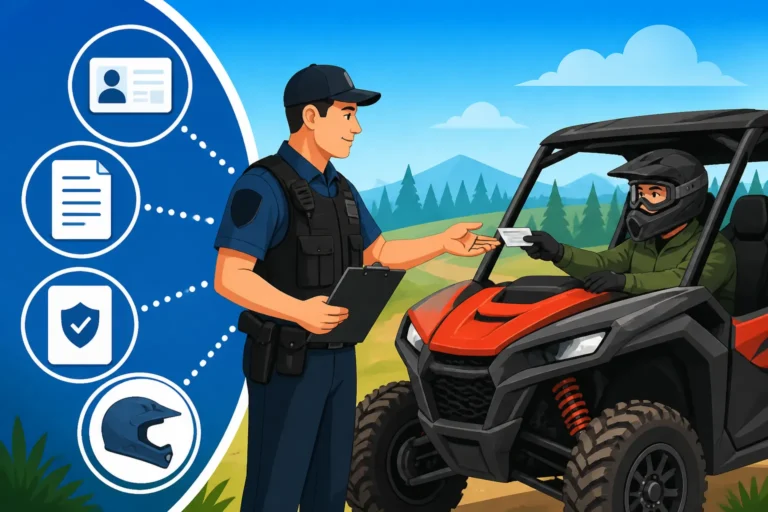
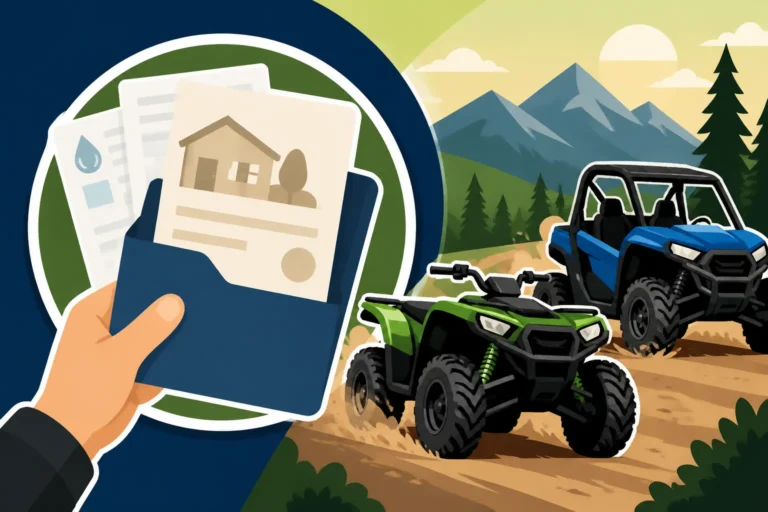
Before you even step into a credit union branch or start an online application, it’s wise to gather some key documents. Generally, they’ll want a clear picture of your financial health and your ability to repay the loan. This typically includes:
- Proof of Identity: A valid driver's license (which you'll need for riding anyway, once you get your quad!), passport, or other government-issued ID.
- Proof of Income: Recent pay stubs, employment letters, T4s, or tax assessments if you're self-employed. They want to see consistent income.
- Proof of Residence: Utility bills or other mail addressed to you at your current home.
- Bank Account Information: Details for the account where you'd like your loan funds deposited and from which payments will be debited.
- Details of the ATV/UTV: If you've already picked out your dream machine, bring details like the make, model, year, VIN (Vehicle Identification Number), and the seller's information (whether it's a dealership or a private seller). This helps them assess the value of the collateral.
- Membership Application: If you’re not already a member, you’ll likely need to complete a membership application, which usually involves a small, one-time share purchase that makes you a part-owner.
Having these items organized can significantly speed up the initial consultation and application phase. It shows you’re serious and prepared, which always leaves a good impression.
Understanding Credit Checks and Approvals
A credit check is a standard part of any loan application, and credit unions are no different. They'll pull your credit report to assess your creditworthiness – essentially, how reliable you've been in paying back past debts. Don't let this deter you if your credit isn't perfect; as mentioned, credit unions are often more holistic in their assessment. They look at your payment history, the types of credit you have, how much debt you carry, and how long you’ve had credit.
If you're buying your quad from a dealership, they might already have financing partners, but it's always smart to go in with pre-approved financing from your credit union. This gives you strong negotiating power. If you’re considering a private sale, a credit union loan might be your primary avenue for financing. For transactions like [Buying From a Private Seller in Alberta], it's crucial to have a clear understanding of the full cost, including potential for [Alberta GST on an ATV Purchase] (though Alberta has no provincial sales tax on private sales) and the process for transfer of ownership. You can even consider using a service like LawDepot to generate a comprehensive bill of sale, ensuring all terms are legally sound for both parties, which can be reassuring for your lender.
The approval process can vary. For straightforward applications, you might get a decision quite quickly, sometimes even the same day. For more complex cases, it might take a few business days as the loan officer reviews your details more thoroughly.
Understanding Your Loan Terms and Obligations
Once you're approved, it’s important to fully grasp the details of your loan agreement. This isn't just bureaucratic jargon; it's the roadmap for your financial commitment and understanding it will prevent surprises down the road.
Interest Rates, Amortization, and Payment Plans
The interest rate is arguably the most crucial number on your loan agreement. It's the cost of borrowing the money, expressed as a percentage of the outstanding loan balance. A lower rate means less money you'll pay over the life of the loan. Credit unions generally offer fixed rates for vehicle loans, meaning your interest rate won't change, which makes budgeting much easier. However, sometimes variable rates are available, which can be lower initially but fluctuate with market conditions.
Amortization refers to the total length of time you have to pay back the loan. Common terms for ATV/UTV loans might range from 36 to 84 months (3 to 7 years). A longer amortization period means lower monthly payments, but you'll pay more interest overall because you're borrowing the money for a longer time. Conversely, a shorter term means higher monthly payments but less interest paid over the life of the loan. It’s a balance between affordability and total cost.
Your payment plan outlines how often and how much you'll pay. As discussed, credit unions often offer flexibility here. You might choose monthly, bi-weekly, or even weekly payments. Setting up automatic payments directly from your bank account is usually an option and highly recommended to avoid missed payments and potential fees. Before you commit, make sure you understand the total amount you'll be paying back, including all interest, over the loan's term.
Collateral and Other Loan Provisions
For an ATV or UTV loan, the vehicle itself usually acts as collateral. This means that if you fail to make your payments as agreed, the credit union has the right to repossess the vehicle to recoup their losses. This is why they'll often ask for the vehicle's details during the application process – they want to ensure the collateral is valuable enough to secure the loan. It's also why lenders typically require comprehensive insurance coverage on the vehicle, protecting their investment (and yours!) in case of damage or theft. When you're looking into [Alberta Insurance Cost for an ATV], remember that your lender will likely have minimum coverage requirements.
Your loan agreement will also detail any fees, such as late payment penalties, and terms regarding early repayment. Some loans come with prepayment penalties, meaning you might pay a fee if you pay off the loan significantly ahead of schedule. However, many credit union loans offer open terms, allowing you to make extra payments or pay off the loan early without penalty, which can save you a lot of money in interest. Always clarify these points with your loan officer. You'll also want to understand the implications for [Alberta Registration and Lien Records], as the credit union will register a lien against your OHV until the loan is fully paid.
Alternative Financing Options to Keep in Mind
While credit unions offer a fantastic option, it's always wise to be aware of other avenues for financing your quad. This helps you make an informed decision and ensures you're getting the best deal for your specific situation.
Dealership Financing
When you purchase a new ATV or UTV from an authorized dealer, they almost always offer in-house financing or work with a network of lenders. This can be incredibly convenient, as you can often complete the financing paperwork right there when you buy the machine. Dealers sometimes have access to special promotional rates, especially for new models or during sales events, which can be very appealing. These rates might be lower than what you'd find at a bank or credit union.
However, it's crucial to read the fine print. Sometimes these ultra-low rates come with stricter terms, such as shorter amortization periods, less flexibility in payment schedules, or may only be available to applicants with pristine credit. Dealerships might also try to bundle in extended warranties or accessories into the financing, which can inflate the total loan amount. While convenient, it's always a good practice to compare their offer with a pre-approved loan from your credit union or bank. Having external financing already secured gives you leverage in negotiating the best overall price for the machine, allowing you to separate the purchase from the financing. This is especially true for [Alberta Dealer Fees to Expect] which can sometimes add unexpected costs.
Traditional Bank Loans and Personal Loans
Major banks, just like credit unions, offer vehicle loans and personal loans that can be used to finance an ATV or UTV. These can be competitive, especially if you already have a strong banking relationship with a particular institution. Bank vehicle loans are typically secured by the ATV itself, similar to a credit union loan, and come with set interest rates and repayment terms.
Personal loans, on the other hand, can be either secured (by an asset other than the quad, or sometimes even the quad itself if the bank allows) or unsecured. An unsecured personal loan doesn't require collateral, which can be attractive, but they typically come with higher interest rates to offset the increased risk for the lender. If you opt for a personal loan, make sure the interest rate and terms are still competitive with what you could get from a secured vehicle loan. While banks offer wide reach and extensive online services, they may not offer the same level of personalized service or flexibility that some credit unions pride themselves on.
Remember, regardless of where you get your loan, you’ll still need to ensure your ATV or UTV is properly registered and insured before you hit any public land. This includes understanding [How to Register an ATV in Alberta] and the requirements for [Alberta Requires Insurance on Public Land]. Always do your homework and make the choice that best fits your financial situation and your riding ambitions!
Disclaimer
This article is for general informational purposes only and does not constitute professional advice. Laws, prices and regulations vary by location and change over time. Consult a qualified professional for guidance on your specific situation.