A Machine Left in a Will in Alberta
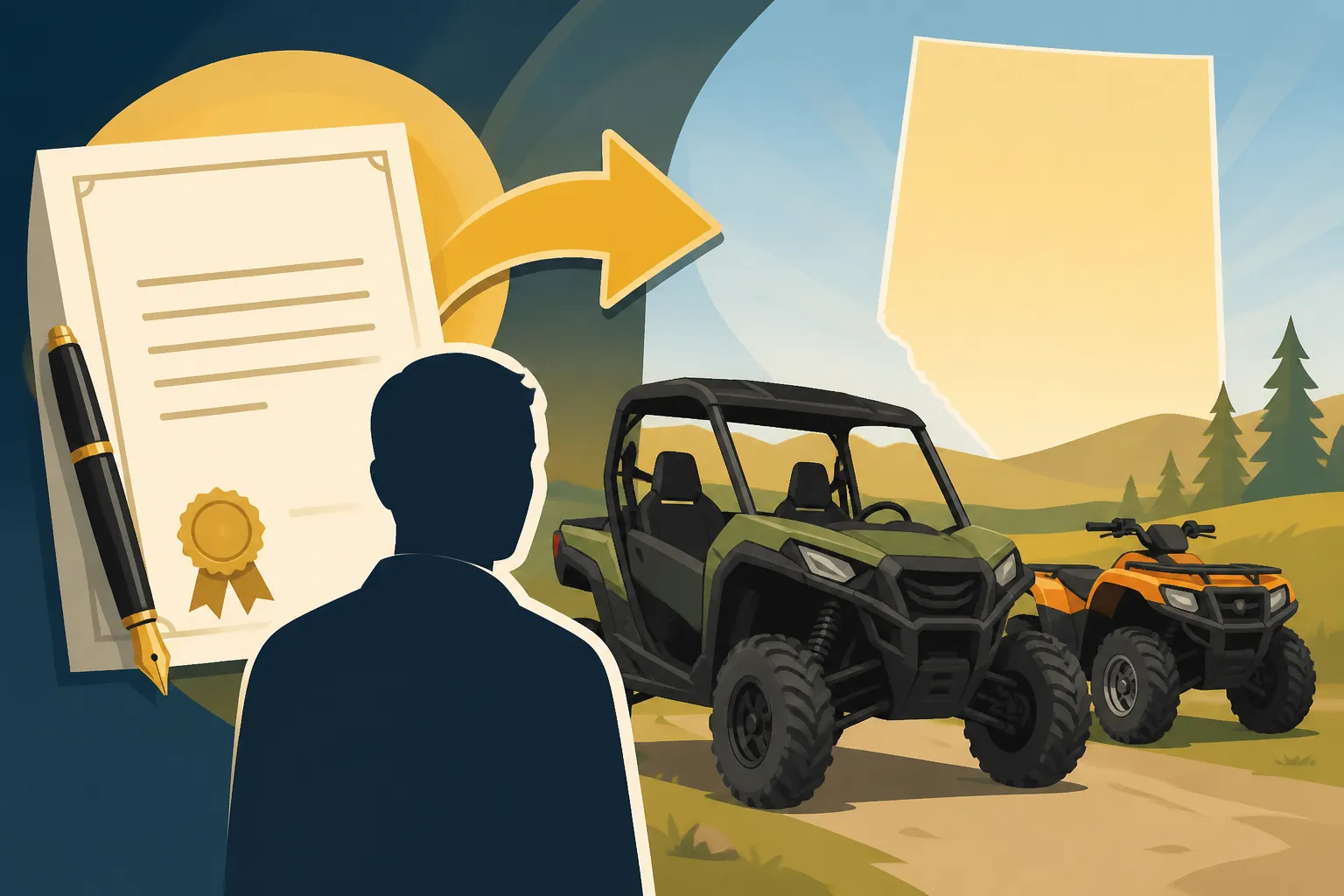
Inheriting an ATV or UTV in Alberta can feel like a thoughtful gift, a tangible connection to someone you've lost, but the administrative steps that follow can quickly turn that excitement into a maze of questions and potential headaches. This guide aims to clear up the confusion, walking you through the intricate process of transferring ownership for an off-highway vehicle (OHV) that has been left to you in a will, so you can focus on the memories, not the paperwork.
Understanding the Initial Steps: The Estate and the Executor
When a loved one passes away and leaves behind assets like an ATV or UTV, the journey to transfer ownership begins not directly with you, the beneficiary, but with the deceased's estate. This crucial first phase involves identifying who is responsible for managing the estate and gathering all the necessary information about the off-highway vehicle itself. It can feel like a lot to navigate during a time of grief, but understanding these initial steps will lay the groundwork for a smoother process.
The Role of the Executor in Alberta
The executor, named in the will, holds a pivotal role in administering the estate. Their responsibilities are vast and include identifying all assets, settling debts, and distributing property according to the deceased's wishes as outlined in the will. For an OHV, the executor is the one who initiates the transfer process. They will need to prove their authority, typically through a legal document called a Grant of Probate. This court order confirms the will's validity and the executor's appointment. Without it, a registry agent in Alberta won't be able to process an ownership transfer from the deceased's name to yours. Many people find this part of the process frustratingly slow, as court processes can take time, especially if the will is complex or challenged. If there's no will, the process involves obtaining Letters of Administration, which serves a similar purpose in granting authority to an administrator appointed by the court.
Navigating the legalities of estate management can be overwhelming, and it's where careful planning with tools like those offered by LawDepot can make a real difference in simplifying things for your loved ones down the road. A well-prepared will clearly outlines who the executor is and how assets should be handled, minimizing ambiguity. The executor must ensure all the estate's affairs are in order before specific assets, like an ATV, can be officially passed on. This means ensuring any outstanding debts related to the machine are settled, or that the estate has the means to do so. Only once the executor has full legal authority and has addressed all other estate obligations can they properly begin the steps to transfer the OHV into your name.
Locating Key Documents for the OHV
One of the executor's first tasks, once their authority is confirmed, is to locate all relevant paperwork for the ATV or UTV. This includes the original registration certificate, which is the most critical document for proving ownership in Alberta. Without it, the process becomes significantly more complicated. They'll also look for a bill of sale if the deceased purchased the machine recently, or any other proof of purchase that clearly links the deceased to the off-highway vehicle. Sometimes, people keep these documents in a safe deposit box, a home safe, or tucked away in a glove compartment, but often, they are difficult to find, buried among other important papers or even lost over time. This lack of readily available documentation is a common frustration for beneficiaries, as it can bring the transfer process to a grinding halt.
A thorough search for these documents is absolutely essential. The more information the executor can provide to the registry agent, the smoother the transfer will be. Beyond the registration and bill of sale, any previous maintenance records, insurance policies, or even owner's manuals can provide additional proof of the machine's history and the deceased's ownership. Think of it as putting together a puzzle; every piece helps. For a comprehensive list of what typically makes up the ideal package of documents, you might find it helpful to review an [Alberta Registration Paperwork Checklist] to understand what a registry agent usually expects to see. If these documents simply can't be found, the executor will need to take alternative steps, which we'll discuss in the next section, adding layers of complexity to an already emotional time.
Transferring Ownership: The Alberta Registration Process
Once the executor has established their authority and hopefully located the necessary documents, the next big hurdle is the actual transfer of ownership at an Alberta registry agent. This isn't just a simple name change; it's a formal process that ensures the OHV is legally recognized as belonging to you, the beneficiary. There are specific requirements that must be met, and depending on whether all paperwork is intact, the path can diverge into slightly different, and sometimes more challenging, routes.
Requirements for a Deceased Owner Transfer
The cornerstone of an OHV transfer from a deceased owner in Alberta is demonstrating the legal right to that machine. This typically means the executor (or the administrator if there's no will) must present the Grant of Probate or Letters of Administration, along with the original death certificate of the previous owner. These documents prove that the individual is legally empowered to act on behalf of the estate. Additionally, the new owner – that's you – will need to provide your own identification and proof of residency in Alberta. The registry agent will also require the original Alberta OHV registration certificate, if it exists, for the machine itself. Without these foundational legal documents and personal identification, the transfer simply cannot proceed. It's a precise process designed to prevent fraudulent transfers and ensure all legalities are meticulously followed. This is exactly why it’s so important to address these details when a will is first drafted, to save your loved ones hassle later.
The process of transferring an OHV after someone has passed away can feel somewhat impersonal, despite the deeply personal nature of the inheritance. Be prepared for a registry agent to ask detailed questions and to meticulously review all submitted documents. This due diligence is part of their role in upholding the integrity of the provincial registration system. Remember, the goal is to shift the legal responsibility and ownership from the estate to you, the beneficiary. For a more direct overview of what specific steps a registry agent needs to take, you might want to look into [Alberta Registration After the Owner Dies], which provides more insight into the typical procedure. It's also worth noting that if there are multiple beneficiaries, the will should specify who receives the OHV, or if it's to be sold with proceeds distributed.
Dealing with No Original Registration Certificate
Let's be realistic: finding every single piece of paper from a deceased loved one can be incredibly difficult, especially for something like an ATV or UTV that might have been stored in a shed or at a cabin. If the original Alberta registration certificate for the OHV simply cannot be found, don't despair, but do prepare for a more involved process. In such cases, the executor will likely need to complete a statutory declaration. This is a sworn statement, made before a commissioner for oaths or a notary public, affirming that the deceased was the owner, how the machine came into their possession, and that the original document is lost or unavailable. LawDepot provides templates and guidance for various legal documents, including statutory declarations, which can be a useful starting point for the executor in this situation. This declaration essentially serves as a substitute for the missing registration, allowing the registry agent to proceed with the transfer, provided they are satisfied with the information.
Beyond the statutory declaration, a registry agent might also require a Vehicle Identification Number (VIN) verification. This involves ensuring the VIN on the machine matches the records, or if no records exist, establishing the machine's identity. Sometimes, an agent might ask for police verification of the VIN to ensure the vehicle isn't stolen. This extra layer of scrutiny is a protective measure for everyone involved. For machines with missing paperwork, or even those where the VIN itself is unclear or damaged, the process can become even more complex. Consulting resources like [Alberta Machines With No Paperwork] or [What a Manufacturer's Statement of Origin Proves] might offer additional pathways for legitimate ownership proof if you find yourself in this tricky situation. It underscores the importance of keeping vehicle documents safe and accessible.
Financial Considerations and Potential Liens
Inheriting an OHV isn't just about the machine itself; it also means inheriting any financial baggage associated with it. Before the transfer is finalized, the executor has a responsibility to determine if the ATV or UTV is encumbered by any debts or liens. A lien means someone else has a financial claim against the machine, usually as collateral for a loan. If the deceased had financed the purchase of the OHV and hadn't fully paid it off, the machine might still have a lien registered against it with the Personal Property Registry (PPR). The executor can conduct a search of the PPR to uncover any active liens. If a lien exists, the estate is generally responsible for settling that debt before the machine can be transferred free and clear to you. This can be a disheartening discovery for a beneficiary, as it might mean the estate needs to sell the OHV to cover the debt, or you might need to take on the remaining payments yourself if you still wish to receive it.
Understanding the financial implications is a critical part of the inheritance process. The executor must ensure that all debts of the estate are managed, and sometimes, assets like an ATV might need to be sold to cover these obligations, even if the will specifically left it to you. This is why it's so important for the executor to have a clear picture of the deceased's financial standing. You can find more information about how these financial records interact with the transfer process by looking up topics like [Alberta Registration and Lien Records]. It's a stark reminder that an inherited item, while emotionally significant, is also a piece of property with potential financial entanglements that must be resolved according to the law.
Here's a quick comparison of the documentation needs:
| Document Type | With Original Registration Certificate | Without Original Registration Certificate |
|---|---|---|
| Deceased's Will/Grant of Probate | Required | Required |
| Death Certificate | Required | Required |
| Beneficiary's ID | Required | Required |
| OHV Registration Certificate | Original required | Statutory Declaration (Executor) |
| Bill of Sale/Proof of Purchase | Recommended (if recent) | Recommended (if available) |
| VIN Verification | Standard check | Often required/more scrutinized |
| Lien Search (PPR) | Recommended | Recommended |
Beyond Registration: Insurance, Storage, and Use
So, you've navigated the complexities of the estate, found (or substituted) the paperwork, and successfully transferred the OHV into your name at the registry. Congratulations! But the journey doesn't end there. Now, the practical realities of owning an ATV or UTV in Alberta come into play, from ensuring it's properly insured to deciding how and where you'll keep it. These are crucial steps to take before you ever hit a trail or even store it long-term.
Insuring Your Newly Acquired Machine
Once the ATV or UTV is legally in your name, securing proper insurance is not just a good idea; it's often a legal requirement, especially if you plan to ride it on public land in Alberta. Many new owners, especially those new to OHVs, might not realize that unlike private property, venturing onto designated trails, Crown land, or even crossing a public road means you must have valid liability insurance. This protects you in case of an accident where you cause damage or injury to others. Without it, you could face significant penalties, including fines and even seizure of your vehicle if caught riding uninsured. This can be a rude awakening for someone who just inherited a machine, especially if they weren't expecting the additional ongoing cost.
The cost of OHV insurance can vary widely based on the type of machine, your riding history, where you live, and the coverage you choose. It’s always wise to get several quotes from different insurance providers to find the best rate. Even if you don't plan to ride the machine immediately, consider at least basic storage insurance to protect against theft or damage while it's sitting idle. It’s also crucial to remember that proof of insurance is often required to be carried with you when riding. For a deeper dive into what's legally mandated, check out [Alberta Requires Insurance on Public Land], and to understand typical costs, you can explore [Alberta Insurance Cost for an ATV]. Don't let the excitement of a new machine overshadow the critical need for adequate protection.
Storage and Maintenance Considerations
Now that you're the proud owner of an inherited OHV, you need to think about where it's going to live and how you're going to keep it in good working order. Proper storage is key, especially given Alberta's varied climate. If you're inheriting a machine in the fall or winter, preparing it for the colder months is paramount to avoid costly repairs down the line. This means things like stabilizing the fuel, checking fluids, ensuring tires are properly inflated, and disconnecting the battery. You can learn more about these specific steps by reading [Alberta Machines Stored Over Winter]. Failing to properly winterize an OHV can lead to issues like rusted components, flat spots on tires, or a dead battery, making your first spring ride a non-starter.
Beyond seasonal storage, consider the security of where you keep your machine. OHVs are unfortunately targets for theft, so a secure garage, shed, or dedicated storage unit is highly recommended. Also, take stock of the machine's current condition. Does it need a tune-up? Are there any obvious repairs needed? An inherited machine might have been sitting for a while, or perhaps the previous owner wasn't as diligent with maintenance. Factor in potential maintenance costs, as these can quickly add up and impact your enjoyment of the machine. It's an investment of time and money to keep your new-to-you OHV running reliably and safely.
When to Consult Legal Counsel or a Registry Agent
While this guide provides a general overview, there are times when the complexities of an inherited OHV warrant professional advice. If the will itself is unclear, if there are multiple beneficiaries disputing ownership of the machine, or if the estate involves significant assets and debts, consulting a lawyer specializing in estate law is highly advisable. They can provide tailored advice, navigate family disputes, and ensure the executor fulfils all their legal obligations, protecting all parties involved. This can prevent future headaches and legal battles.
Similarly, if you're struggling with missing paperwork, unusual VIN issues, or simply find the whole registration process overwhelming, a qualified Alberta registry agent can be an invaluable resource. They process these transfers regularly and can advise you on the specific documents and procedures required for your unique situation. Don't hesitate to reach out to them with your questions; they're there to help you navigate the system. For common questions and a better understanding of their role, consider looking at articles like [Alberta Registry Agents and OHV Paperwork] or [Alberta Registration Questions Agents Hear]. Sometimes, simply talking through your situation with an expert can provide the clarity and confidence you need to move forward. For setting up your own will to avoid similar issues for future generations, online services like LawDepot offer accessible ways to draft legal documents and plan for your own estate, ensuring your wishes are clearly understood.
Disclaimer
This article is for general informational purposes only and does not constitute professional advice. Laws, prices and regulations vary by location and change over time. Consult a qualified professional for guidance on your specific situation.